






“Mom, can I download this game? It says it’s free!”
If you’ve heard that sentence before, welcome to the club. As a mom of two tech-curious kids, I’ve lost count of how many “free” games I’ve approved, only to realize they were anything but.
It took me a while (and quite a few headaches) to figure out that free games often come at a hidden cost — and that cost is usually paid with my child’s attention, data, and even emotional wellbeing.
So if you’re like me — someone who just wants their kid to have a little harmless fun on the tablet — keep reading. Here’s what really hides behind the glittery promise of Free to Play.
1. The Real Currency: Your Child’s Attention
Let’s start with the obvious: ads. Every parent has seen them — loud, flashy, unskippable, and often completely inappropriate for kids.
In these games, ads aren’t just background noise. They’re deliberately placed:
- Right after a level is completed (when attention is high)
- As a reward mechanic (“Watch this ad to revive your character!”)
- Or even as fake mini-games that trick kids into downloading more apps
Some of the ads my son saw included horror game trailers, weight-loss pills, and a bizarre dating app. No, thanks.
These ads aren’t just annoying. They’re teaching kids that their attention is a tradeable good — something you can give away for a shiny coin or a new sword.
2. Data Tracking You Never Agreed To
You’d be shocked how much information “free” games collect.
Without any real consent (and certainly no understanding from your child), many of these apps:
- Track your kid’s location (yes, GPS!)
- Monitor when and how they play
- Analyze frustration levels based on rage quits or inactivity
- Profile behavior patterns for ad targeting
And if the app is connected to social media? That rabbit hole goes deeper. Friends lists, interactions, and even chat behavior can be mined and sold.
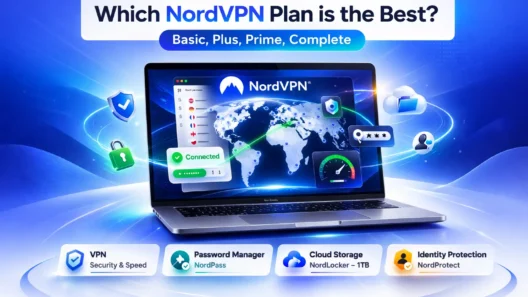
This is where NordVPN with Threat Protection Pro became a game changer for us. It doesn’t just hide your IP address it actively blocks trackers, malicious scripts, and sneaky ad networks before they can load.
My kids can now play without feeding half their personality profile into a marketing machine. That peace of mind? Worth every cent.
3. Built for Addiction: Dopamine Loops in Kids’ Games
Ever noticed how hard it is to get your kid to stop playing a game? That’s by design.
Many games use behavioral psychology tricks to create loops of reward, suspense, and frustration — just like slot machines.
Things like:
- Random reward systems (a lootbox might give you something amazing… or trash)
- Bright lights and sounds during rewards
- Push notifications designed to draw your child back in
These aren’t accidental features. They’re tested and optimized to hook young minds.
I’m not against games — far from it. But when the mechanics mirror casino tactics, it’s time for us parents to push back.
4. Frustration as a Business Model
Here’s how it usually goes:
- The game starts easy and fun
- Then it gets just hard enough to annoy your child
- The game offers a solution: watch an ad or buy an upgrade
That’s not gameplay. That’s manipulation.
We’ve had meltdowns because a level wouldn’t load unless we watched three full ads in a row. My daughter once cried because she “just couldn’t win unless we paid.” That’s not what a game should teach.
With Threat Protection Pro turned on via NordVPN, many of these “forced ads” simply… disappear. It’s been like giving my kids a safer, calmer version of the same game.
5. Social Pressure & Virtual Bullying
Let’s talk about skins. You know — those flashy outfits or weapon upgrades you buy with real money?
In games like Fortnite, Roblox, or Brawl Stars, kids without paid skins are often labeled as “noobs” or “defaults.” It sounds silly until your 10-year-old tells you they got laughed at during recess for having a basic avatar.
Even if your kid never spends a dollar, the game still profits off their stress.
And yes, I’m the mean mom who says “no” to lootboxes. But I’m also the mom who downloaded the game, read the privacy policy, and turned on VPN-level ad blocking so my kid doesn’t see the pressure to buy every five seconds.
So, What Can You Actually Do?
Don’t panic. You don’t have to ban tablets or raise your kids like it’s 1987. Here’s what worked for me:
a) Pay for good games
There are amazing mobile games that cost $3–$10 and offer zero ads or tracking. Think Monument Valley, Toca Boca, or subscription services like Apple Arcade.
b) Turn on VPN + Threat Protection
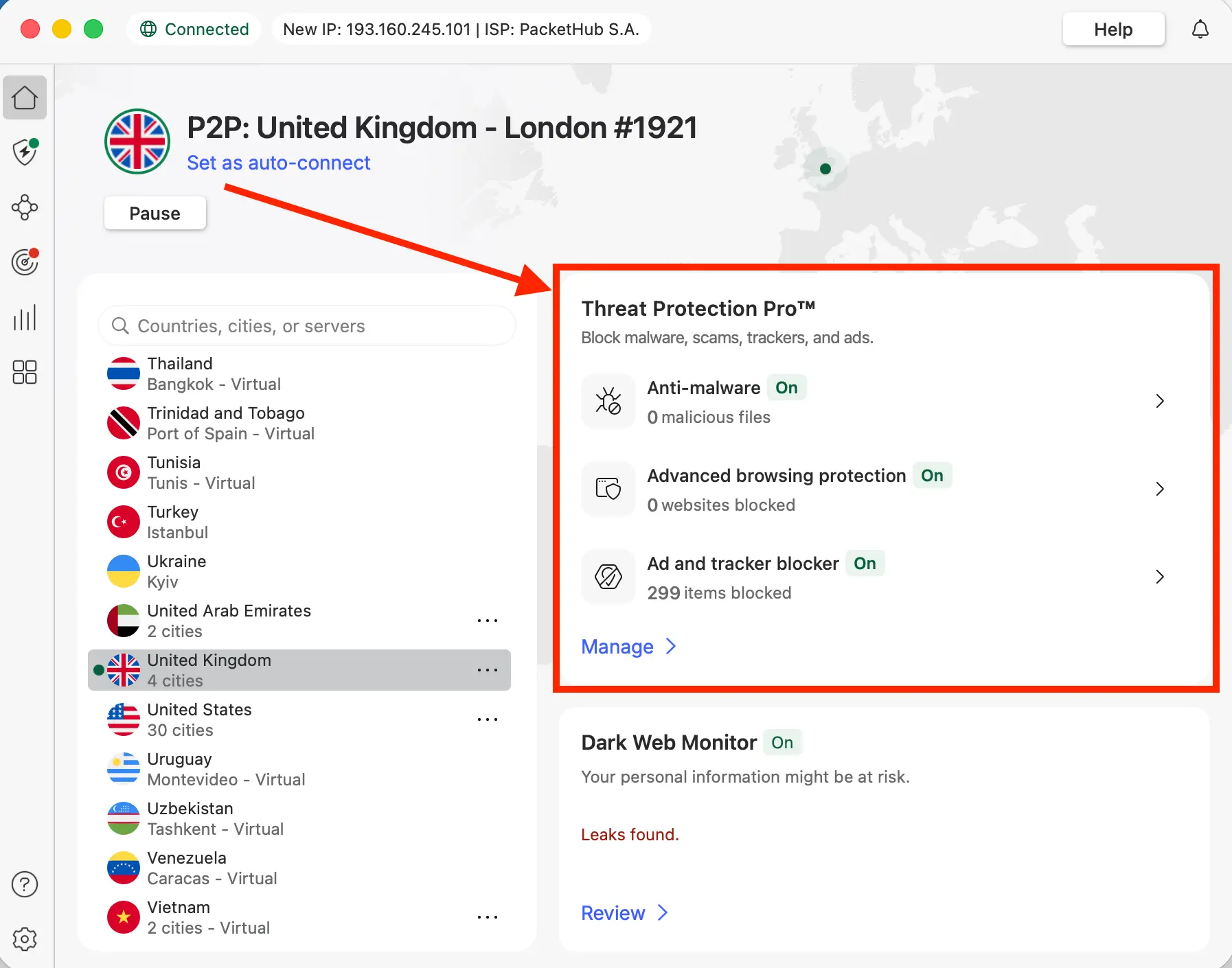
NordVPN’s Threat Protection Pro blocks most in-game ads and shady scripts before they even load. That means fewer distractions, less tracking, and safer gaming. You don’t need to be a techie — it installs in 2 minutes.
c) Use parental controls
Set app limits, block in-app purchases, and restrict downloads. Both iOS and Android have tools — use them.
d) Play with your kid
Spend 10–15 minutes playing with them. You’ll quickly spot if a game is harmless fun or a dopamine trap.
e) Talk about it
Once I explained to my daughter how ads work (“They want your brain to click that shiny thing”), she became weirdly skeptical. Kids are smarter than we think.
Bonus: My Personal Setup
- Device: iPad 9th Gen
- VPN: NordVPN (with Threat Protection Pro on)
- Ad Block: Enabled
- DNS Settings: Set to restrict adult content
- Screen Time Limits: 1 hour/day, no in-app purchases
- Result: Fewer tantrums, safer experience, and honestly — less mom guilt
Final Thoughts: Free Isn’t Really Free
If there’s one thing I’ve learned as a digital-age mom, it’s this:
When something is free, you’re probably the product.
Or in this case, your kid is.
That’s why I don’t mind spending a few bucks on a proper game, or using tools like NordVPN to shut the worst parts down. Because my kids deserve better than “watch 5 ads to win.”
And so do yours.