






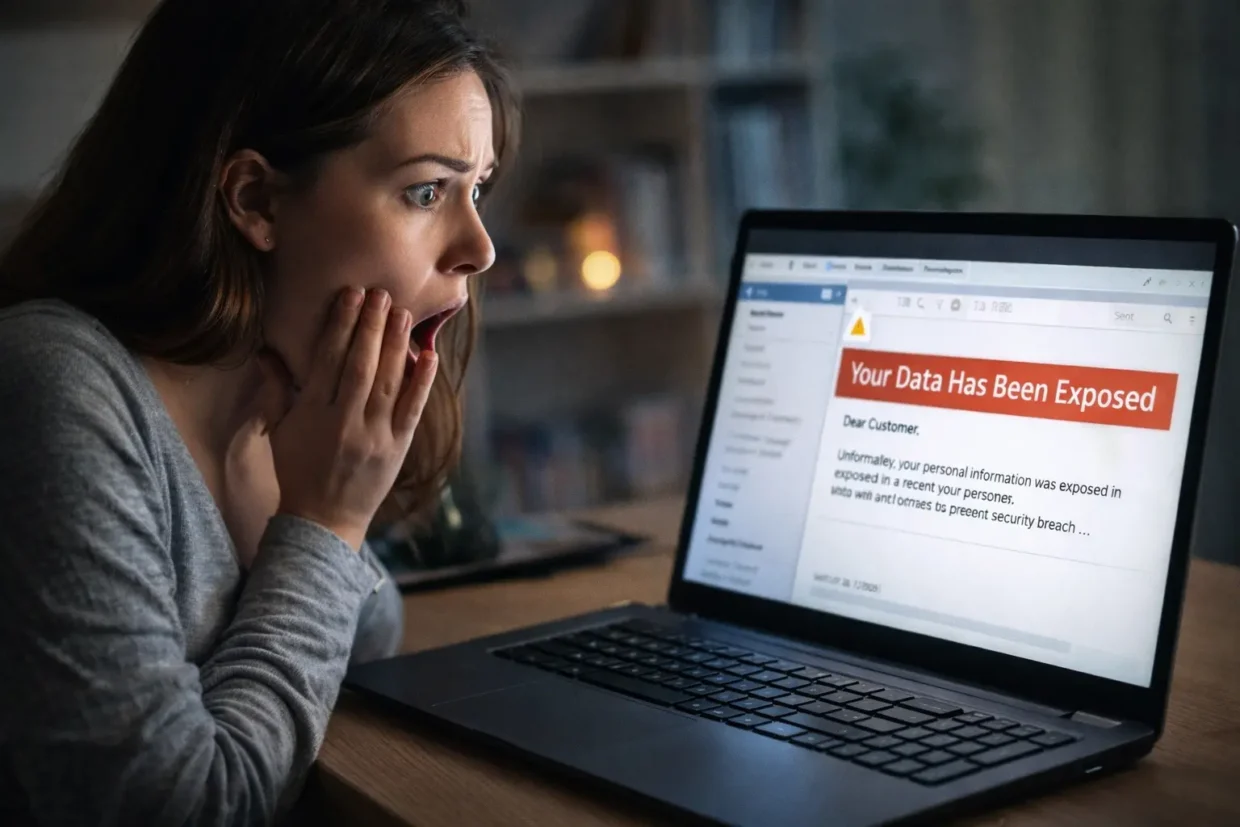
A few months ago, I got one of those emails no one really takes seriously at first. A company I had signed up for years ago was “experiencing a security incident.” They assured me there was no reason to worry. Passwords might have been exposed. Some personal data may have been accessed. You know the drill.
Then the spam started.
Not the generic kind. Calls that spoofed local numbers. Text messages that knew my name. Phishing emails that referenced services I actually use. That was the moment it hit me: my data wasn’t just leaked, it was being used.
If you’re reading this, chances are you’re in the same situation. Your data got out, and now you’re asking the same question everyone asks next:
What actually works after a data breach?
This article is written for that exact moment. No panic. No empty promises. Just practical steps that help you regain control and dramatically reduce the damage.
How Do You Know Your Data Was Breached?
Sometimes companies notify you. Sometimes you find out through the news. And sometimes the only clue is a sudden change in your digital life.
Common signs include:
- A spike in spam emails, scam texts, or robocalls
- Phishing attempts that feel uncomfortably personalized
- Login alerts or password reset emails you didn’t request
If you want confirmation, tools like Have I Been Pwned or Firefox Monitor can show whether your email address appeared in known breaches and what kind of data was exposed.
First Things First: Secure What You Still Control
Once data is out there, you can’t pull it back. But you can stop the bleeding.
Change Passwords and Enable 2FA Everywhere
Start with your email account. That’s the master key to almost everything else.
Then move on to:
- Banking and financial apps
- Social media
- Cloud storage
- Shopping accounts
Every account should have a unique, strong password. This is where a password manager becomes non-negotiable. Memorizing passwords doesn’t scale. Tools like 1Password or Bitwarden do.
Enable two-factor authentication wherever it’s available. App-based authentication is far safer than SMS.
Are VPNs Useful After a Data Breach?
This is where a lot of confusion comes in.
A VPN will not undo a data breach. It won’t delete leaked records or stop spam that’s already in motion. But it plays a critical role going forward.
A good VPN:
- Hides your real IP address
- Encrypts your internet traffic
- Protects you on public Wi-Fi
- Reduces tracking across websites
In practical terms, it lowers your exposure to future data collection and surveillance. After a breach, that matters more than ever.
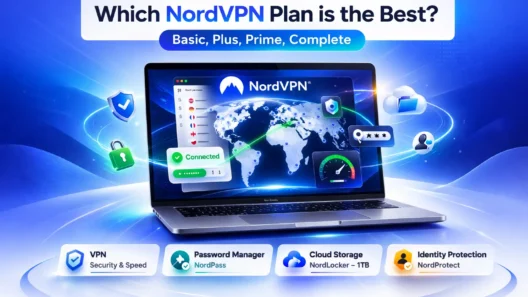
Personally, I rely on premium VPNs that go beyond basic tunneling. Services like NordVPN or Surfshark include features that block malicious domains, trackers, and phishing attempts before they load. It’s not magic, but it’s a strong defensive layer you should be using daily.
The Part Most People Miss: Your Data Is Being Sold
Here’s the uncomfortable truth most guides skip.
Your spam calls and phishing messages usually don’t come directly from the breach itself. They come from data brokers.
Data brokers are companies that aggregate personal information and sell it. Names, phone numbers, email addresses, physical addresses, family connections, even inferred interests. Once your data appears in one breach, it spreads fast.
This is why changing passwords alone doesn’t stop the noise.
Incogni: The Tool That Actually Reduced My Spam
Manually opting out of data broker sites is possible. It’s also time-consuming, repetitive, and frustrating. Each site has a different process, and many quietly re-add your data later.
This is where Incogni makes a real difference.
Incogni acts on your behalf. It sends legally valid data removal requests to dozens of data brokers and keeps following up. You don’t need to manage spreadsheets or chase confirmations.
When I used it, I was honestly skeptical. Two weeks later, the report showed my data removed from over 40 broker databases. More importantly, the constant spam dropped off noticeably.
That was the first time I felt the situation actually improving.
What Actually Works Together
No single tool solves everything. But a combination does.
Here’s the setup that makes a real impact:
| Tool or Action | What It Solves | Why It Matters |
|---|---|---|
| VPN | IP masking and encrypted traffic | Limits future tracking |
| Incogni | Data broker removal | Reduces spam and scams |
| Password manager like NordPass | Strong unique passwords | Stops credential stuffing |
| 2FA | Account protection | Blocks unauthorized access |
| Virtual cards | Payment isolation | Limits financial exposure |
This is the difference between reacting to a breach and building long-term resilience.
What No Tool Can Fix
It’s important to be honest about limits.
If highly sensitive data was exposed, such as government IDs or financial identifiers, there’s no way to erase that from the internet entirely. In those cases:
- Monitor accounts closely
- Enable transaction alerts
- Consider replacing compromised identifiers where possible
Privacy tools reduce risk. They don’t create perfection.
Email and Phone Numbers Deserve Special Attention
Your email address is the gateway to account recovery. Treat it that way.
Best practices include:
- Separate emails for banking, personal use, and registrations
- Using email aliases for sign-ups
- Avoiding reuse of the same address everywhere
Phone numbers are harder to rotate, but if spam becomes unmanageable, changing it can be worth the inconvenience.
This Is Not Your Fault
People blame themselves after breaches. They shouldn’t.
You trusted a service with your data. That service failed to protect it. The responsibility doesn’t sit with you.
What does sit with you now is deciding how much access you allow going forward.
The Bottom Line
Data breaches are no longer rare events. They’re a permanent part of modern life.
The goal isn’t to disappear from the internet. It’s to reduce exposure, limit damage, and stay one step ahead.
Using a VPN daily and removing your data from broker databases with a service like Incogni is one of the most effective combinations available right now. Add strong authentication and smart habits, and the difference is noticeable.
If you’re tired of spam, scams, and that constant feeling of being watched, this is where you start.
Take back control.