







Technology moves at a breakneck pace, but OpenAI’s latest release, ChatGPT 5.2, has managed to set a new bar for what we expect from artificial intelligence. Since its debut in late 2025, it has become the essential tool for anyone looking to bridge the gap between human creativity and machine efficiency. However, there is a significant catch: depending on your current physical location, you might find yourself locked out of this platform entirely.
Whether it’s due to strict government censorship, regional privacy laws, or restrictive office firewalls, “geo-blocking” remains a massive hurdle for millions.
This guide is designed to help you tear down those virtual borders. We aren’t just looking at a quick fix; we’re exploring how you can maintain a high-speed, secure, and private connection to the most powerful AI available today, regardless of where you happen to be standing.
Why the Hype? What Makes GPT 5.2 Different?
Before we get into the technical steps, let’s talk about why people are so eager to gain access. If you’ve been using the standard GPT-5, you might think you’re already at the cutting edge. However, the 5.2 update is less about adding flashy buttons and more about refining the “brain” of the system to be sharper and more reliable.
1. Speed That Matches Your Workflow
The most immediate change users notice is how quickly the model generates responses. Early benchmarks suggest a 20% improvement in raw reasoning speed. In plain English, this means the AI spends less time “buffering” and more time delivering results.
For developers writing complex backends or researchers analyzing massive datasets, those saved seconds add up to hours of gained productivity every week.
2. Deep Contextual Memory
One of the biggest frustrations with older models was their “short-term memory.” You’d be deep into a project, and the AI would suddenly forget the core constraints you set at the beginning of the conversation. GPT 5.2 handles its 32,768-token window with much higher precision.
It doesn’t just store data; it understands the relationship between a comment made at the start of your session and the task you are performing right now.
3. Advanced Multimodal Mastery
GPT 5.2 isn’t just a chatbot; it’s a vision and logic engine. It can process images, complex charts, and even live video feeds with a level of nuance that previous versions lacked.
It can spot a specific bug in a screenshot of your code or identify a subtle trend in a messy financial graph with startling accuracy.
The Invisible Walls: Why Is Access Restricted?
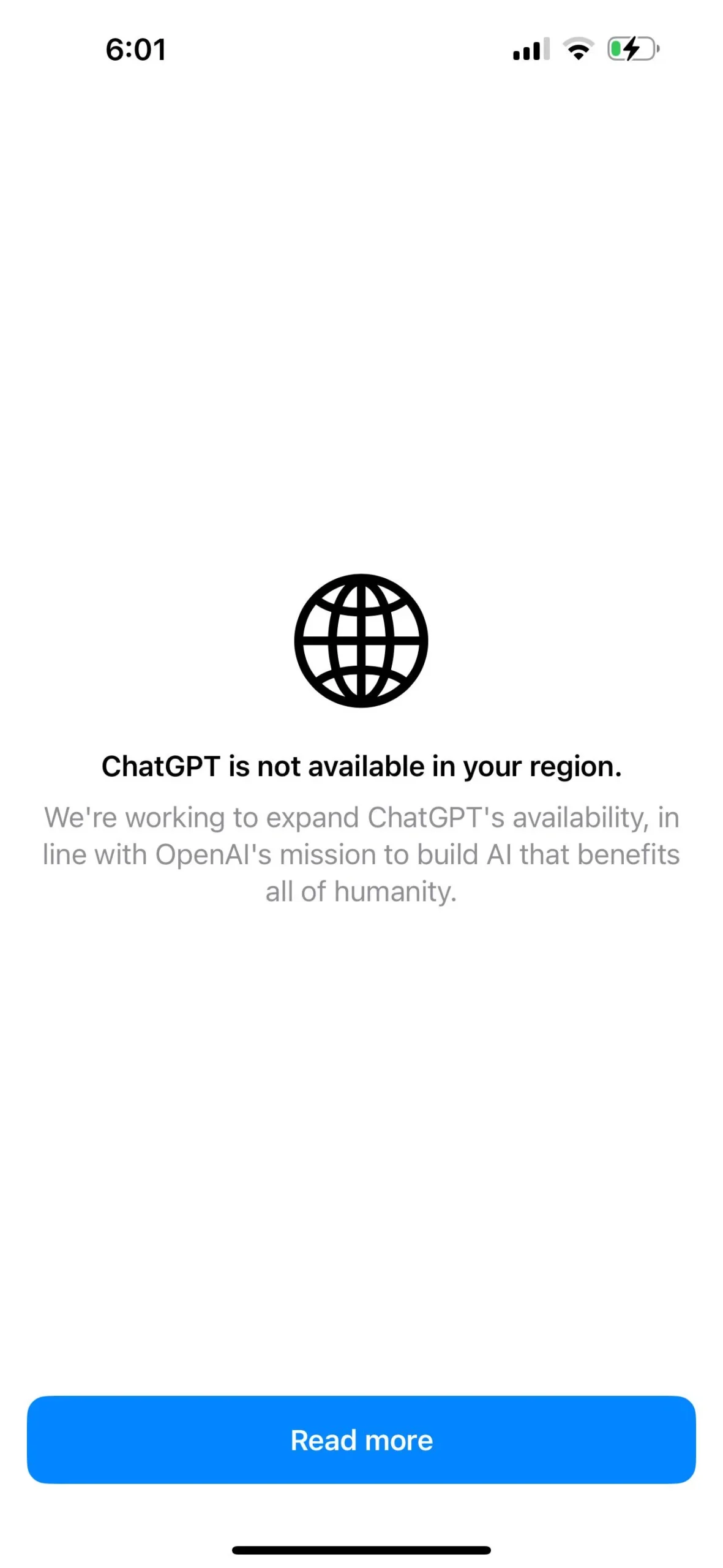
It feels strange that in 2026, a software update can be “unavailable” in certain parts of the globe. Yet, the reality of international politics and data law means that many users are left in the dark.
Direct Censorship
Countries like China, Russia, Iran, and North Korea have long-standing bans on Western AI platforms. This is usually about maintaining total control over the flow of information.
If you are traveling to or living in these regions, your IP address is instantly flagged and blocked by OpenAI’s security layers.
The Privacy Tug-of-War
In regions like the European Union and Canada, the issue isn’t censorship, but strict consumer protection. Agencies often pause the rollout of new models until they can prove the software isn’t mishandling user data or violating “right to be forgotten” laws.
While these laws are meant to keep you safe, they can leave tech-savvy users waiting months for an official launch.
Local Network Filters
Sometimes the block is much closer to home. Many universities and corporate offices block OpenAI at the router level to prevent what they see as “cheating” or to preserve bandwidth.
This means even if you are in a country where the service is legal, your specific building might be standing in your way.
The Solution: Using a VPN to Break Through
A Virtual Private Network (VPN) is your ticket past these restrictions. It works by creating an encrypted tunnel between your device and a server located in a “friendly” country (like the US or UK).
When you connect to ChatGPT, the platform doesn’t see your real location; it sees the IP address of the VPN server instead.
Step-by-Step: Setup in Under 5 Minutes
- Secure a High-End VPN: Don’t settle for a bargain-bin service. You need a provider with a massive server network and modern protocols. NordVPN is currently the top choice for this, offering a perfect balance of security and raw speed.
- Install the Software: Download the app for your specific hardware—whether that’s a MacBook, a Windows PC, or your smartphone.
- Choose Your Gateway: Open the server list and pick a location where ChatGPT 5.2 is fully supported. The United States (specifically New York or Los Angeles nodes) usually offers the most stable performance.
- Clear Your Browser Cache: This is a crucial step. Clear your browser’s cookies so OpenAI doesn’t “remember” your blocked location from a previous login attempt.
- Log In and Start: Head to the official OpenAI site. You should now see the full 5.2 interface ready for your first prompt.
Choosing the Right Tool: The Best VPNs for 2026
Not all VPNs are built for AI. Some are fine for basic browsing but too slow for AI tools that require constant, low-latency data streams. Here are the top contenders:
1. NordVPN – The Gold Standard
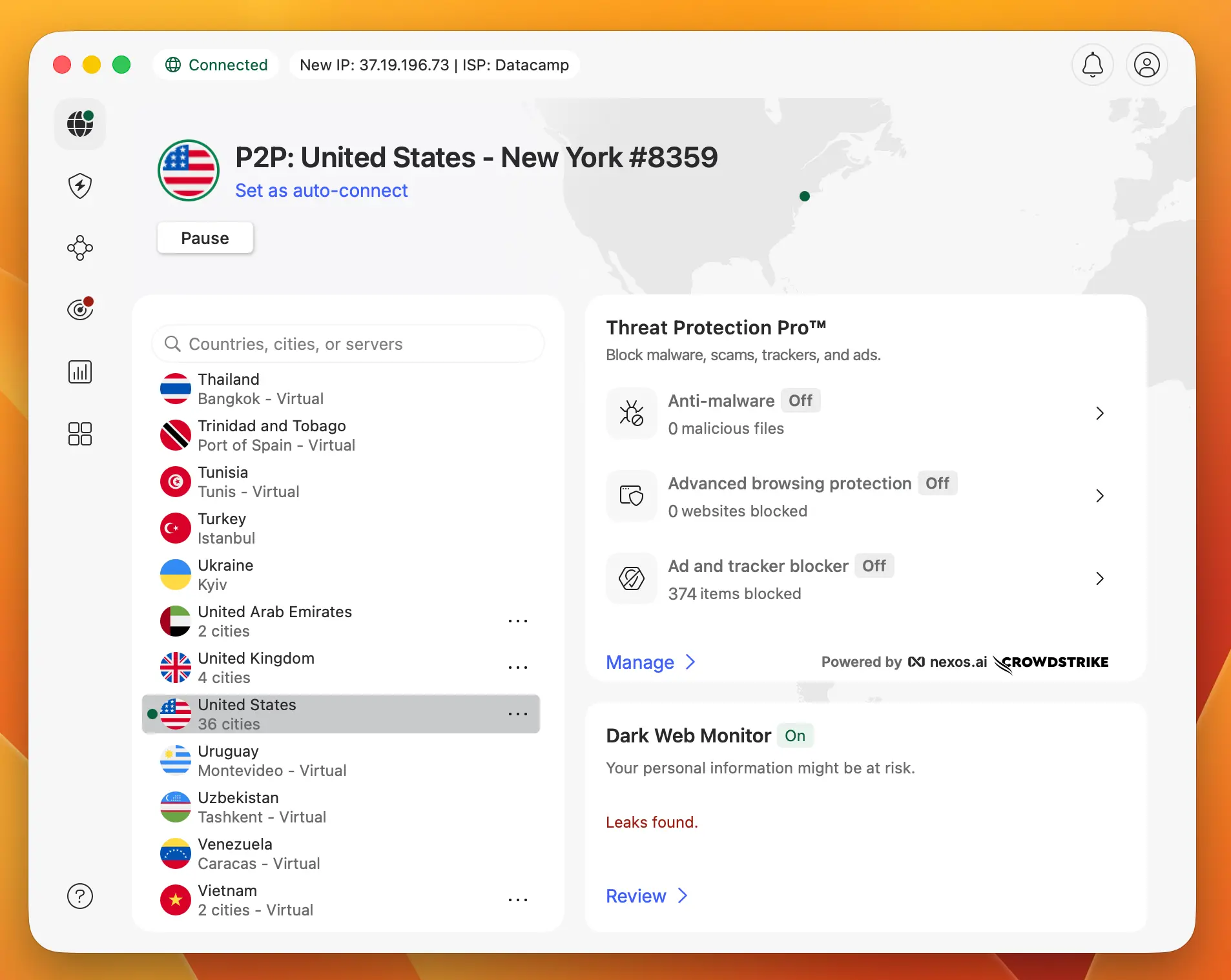
NordVPN isn’t just a household name; it’s a technical powerhouse. Their “NordLynx” protocol is built for speed. When using an LLM (Large Language Model), you don’t want the text to “stutter” as it generates. NordVPN provides a seamless experience that feels like a local connection.
- Best feature: Obfuscated servers that hide the fact you’re even using a VPN from your ISP or local network administrator.
2. Surfshark – Best for Teams and Families
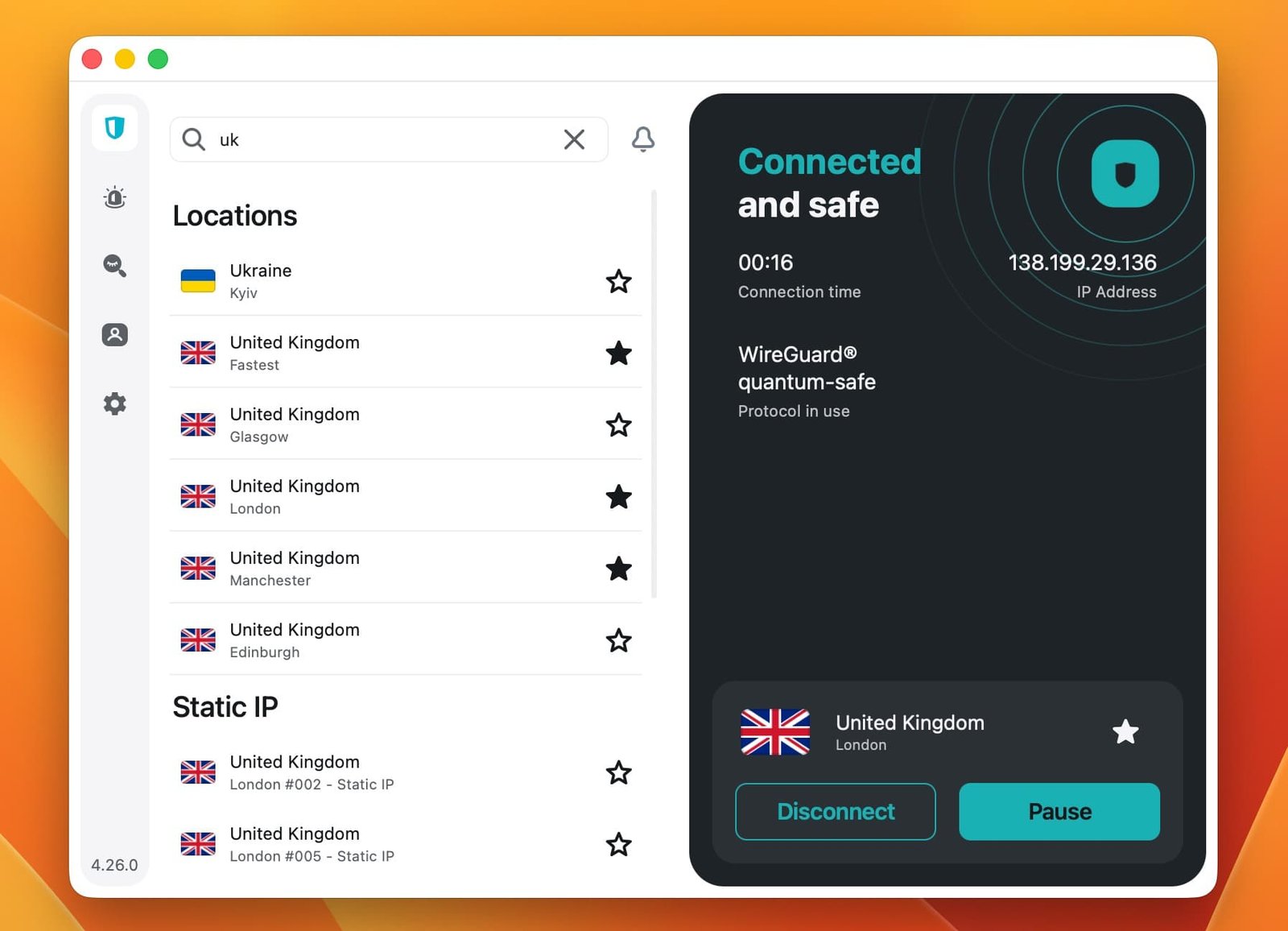
If you have a whole team or a household that needs access, Surfshark is the smart choice. They allow unlimited simultaneous connections. You can run it on your laptop, phone, and tablet all at once without paying an extra cent.
- Best feature: “NoBorders” mode, which is specifically designed to bypass the most aggressive firewalls in the world.
3. Proton VPN – For the Privacy Minded
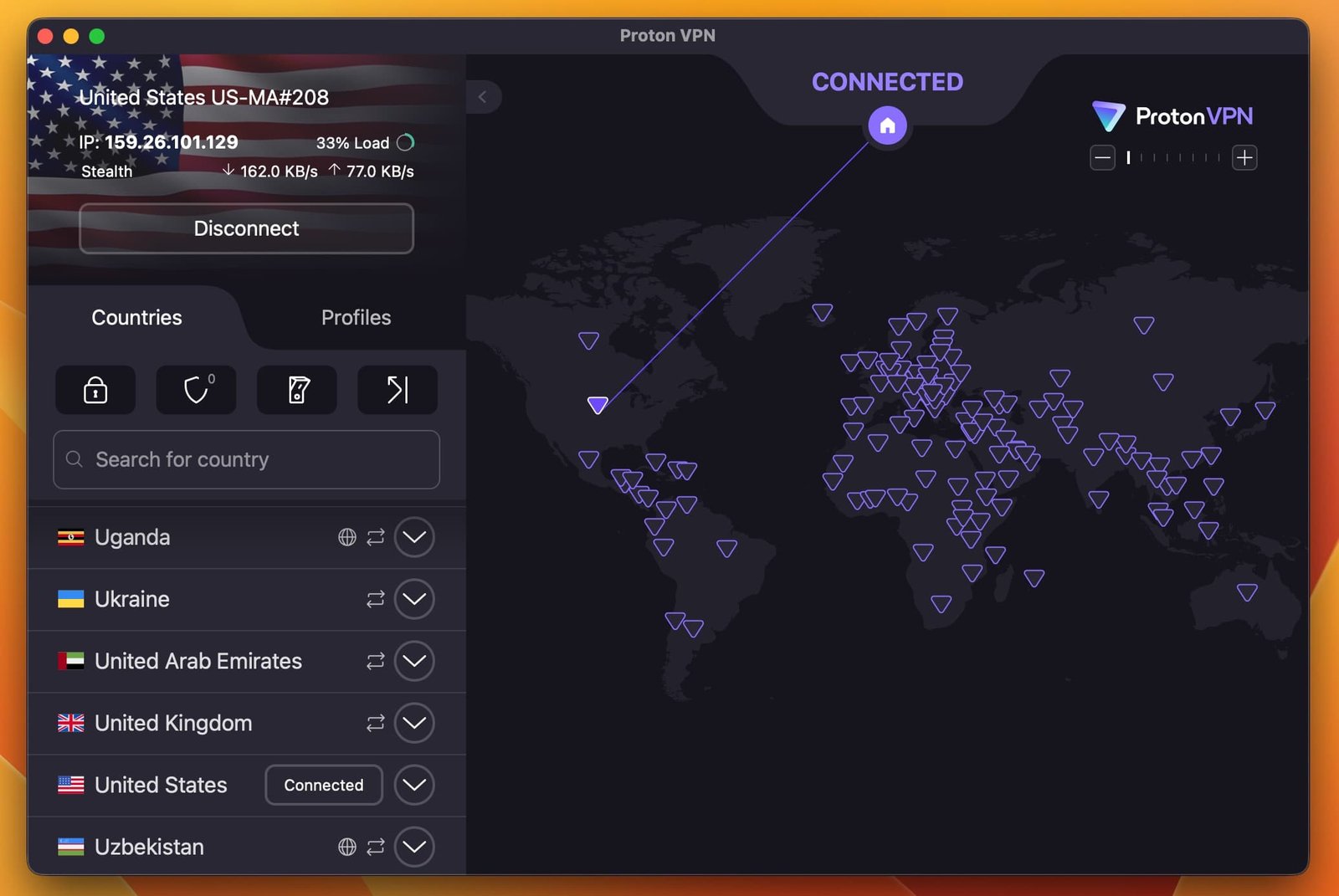
Developed by scientists at CERN, Proton is based in Switzerland. If you are worried about your AI prompts being intercepted or logged by third parties, Proton’s architecture offers a level of data security that few other companies can match.
- Best feature: A very capable free version that doesn’t have data limits, though it can be slower during peak hours.
Troubleshooting: What If It Still Doesn’t Work?
Even with a top-tier VPN, you might occasionally hit a snag. Here is how to fix the most common issues:
- The “Access Denied” Error: This often happens if the specific VPN server you chose has been flagged. Simply disconnect and pick a different city in the same country.
- Mobile App Issues: If you’re using the ChatGPT app, it might be using your phone’s GPS data. Try using the mobile browser version (Chrome or Safari) while the VPN is active instead.
- Payment Hurdles: To get ChatGPT Plus (required for 5.2), you need a valid payment method. If your local card is rejected, consider using an Apple or Google Play gift card from a supported region to pay for your subscription.
The Bottom Line
Gaining access to ChatGPT 5.2 isn’t just about playing with new software; it’s about staying competitive in an environment where AI is the primary engine of productivity. Being stuck behind a digital wall is a massive disadvantage.
By using a reliable, high-speed VPN like NordVPN, you aren’t just “faking” your location you are taking back your right to use the best tools available. You get the privacy you deserve and the most advanced AI on the planet at your fingertips.
FAQ
Is it legal to use a VPN for ChatGPT 5.2?
Yes, in most countries, using a VPN is a perfectly legal way to protect your privacy. While bypassing regional blocks is common, always make sure you are following the local laws of the country where you are currently located.
Why shouldn’t I just use a free VPN?
Free VPNs are usually too slow for the heavy data needs of GPT-5.2 and often use blocked IP addresses. For a smooth, “stutter-free” experience and better security, a premium service is much more reliable.
Can I pay for ChatGPT Plus if my local card is blocked?
If your card is rejected, the best workaround is to pay via the Apple App Store or Google Play Store. Use gift cards for those stores from a supported region (like the US) to fund your subscription.
Will a VPN slow down my AI responses?
With a top-tier provider like NordVPN, you won’t notice a difference. Since GPT-5.2 is 20% faster than older models, the experience remains incredibly snappy even with the VPN active.
What do I do if I still get an “Access Denied” error?
Don’t worry—just switch to a different server location in your VPN app (e.g., move from New York to Los Angeles) and refresh your page. This usually clears the block instantly.