







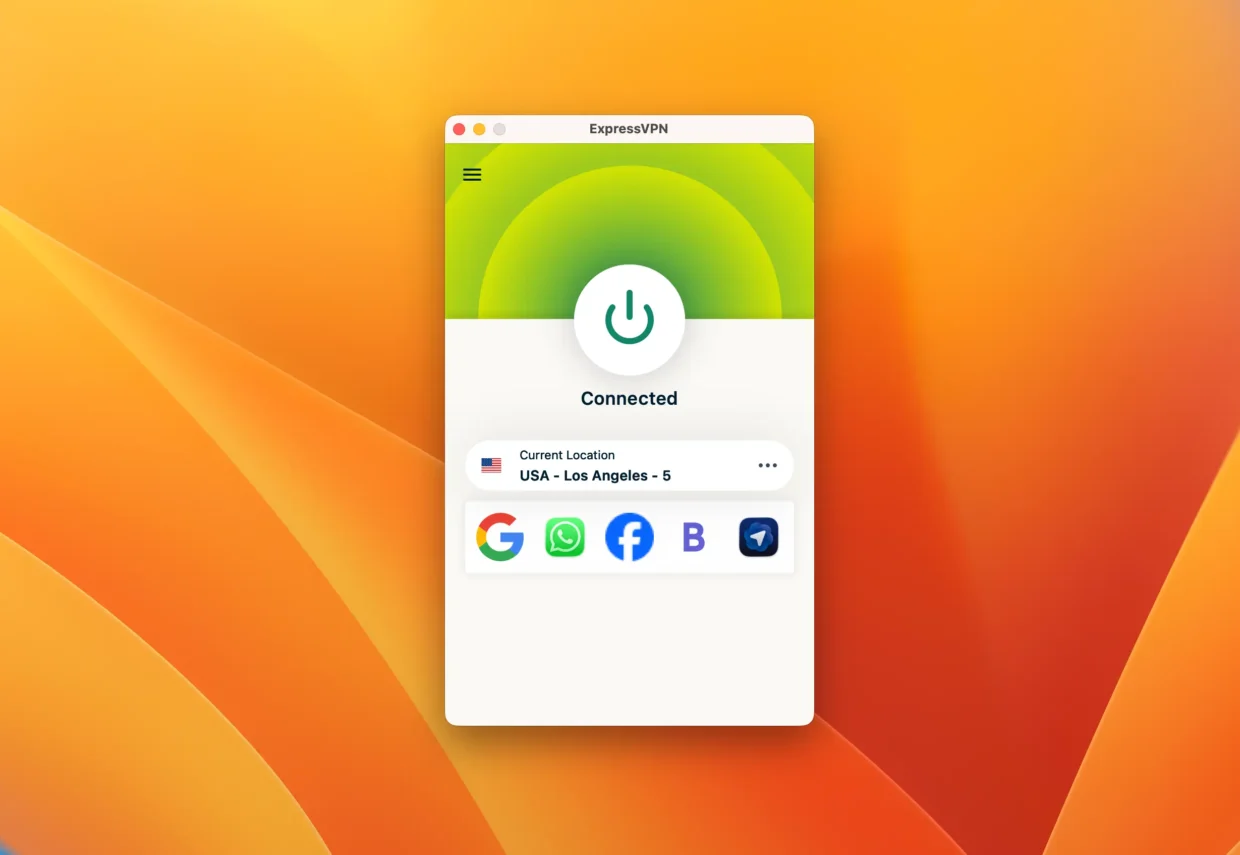
You might have thought it didn’t really matter whether you connected your VPN to New York or Dallas. For a long time, an American IP was just an American IP. But the reality of the internet today is that the U.S. web is starting to fracture. Every state is beginning to play by its own rules, its own laws, and its own restrictions.
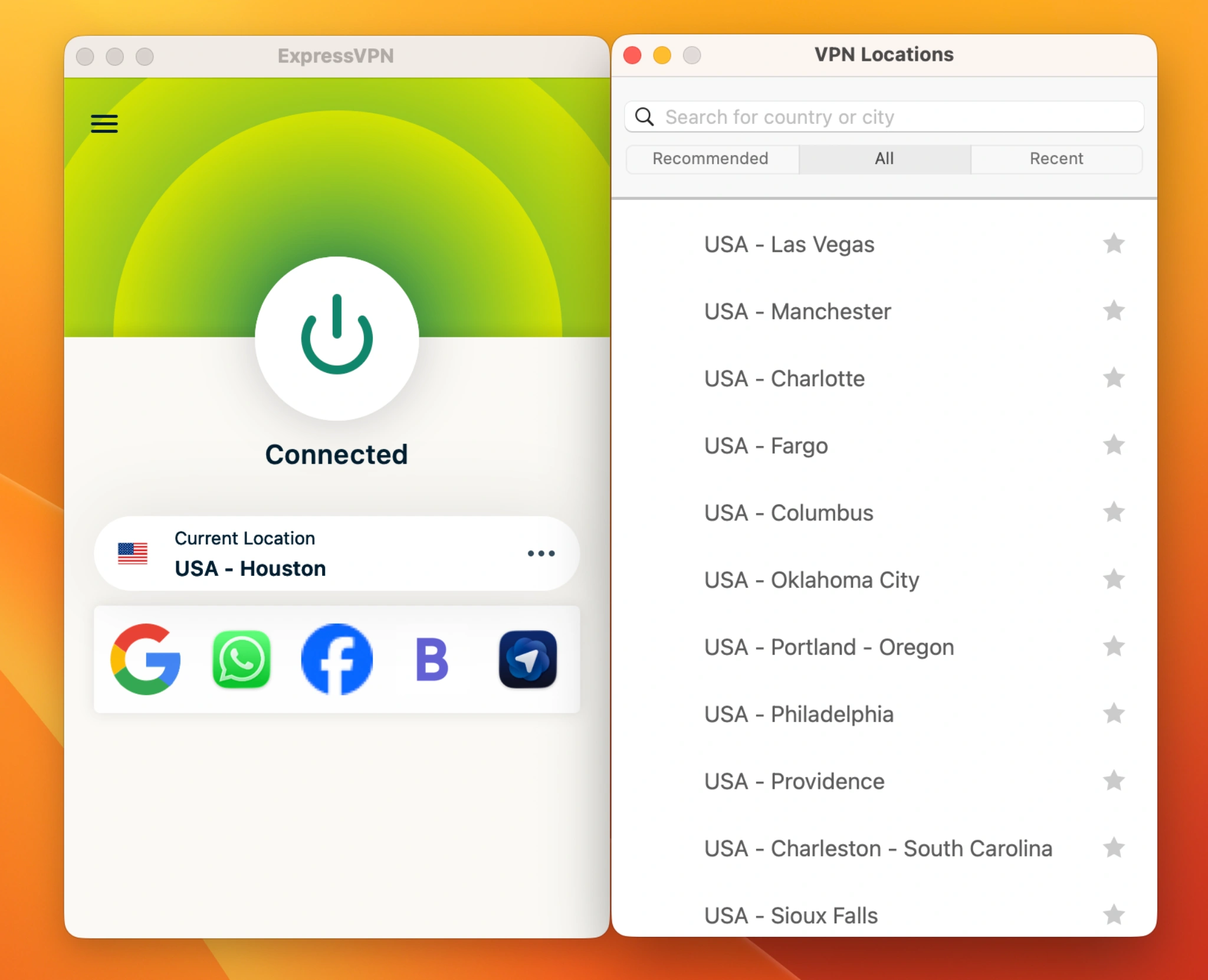
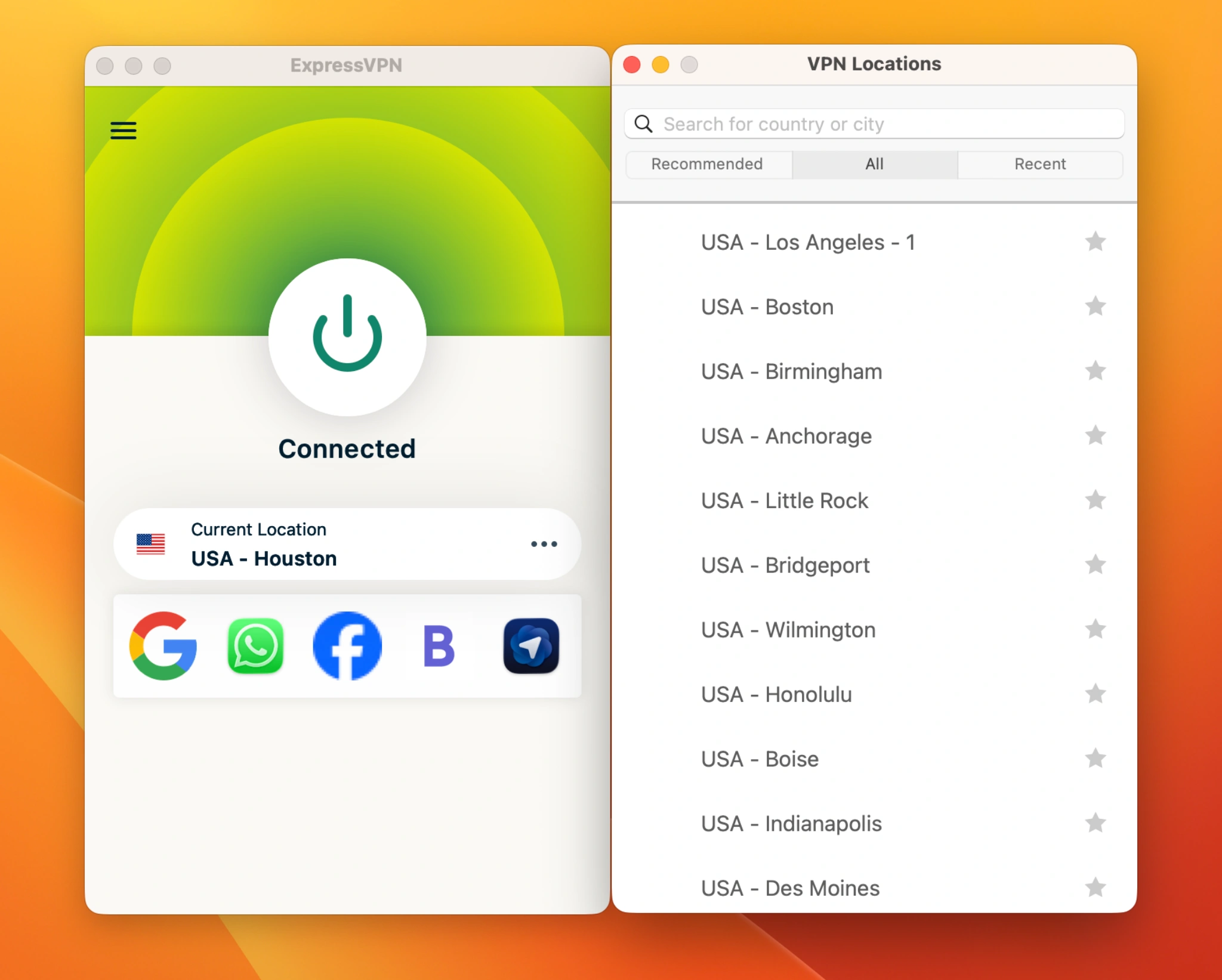
ExpressVPN just announced a major milestone: they are the first major provider to cover all 50 U.S. states. We aren’t just talking about 24 big cities anymore; we’re talking about 62 locations spread across the entire continent. This isn’t just a vanity metric for the marketing team.
It’s a direct response to the way the American web is turning into a messy mosaic of local regulations.
1. When the State Decides What You Can See
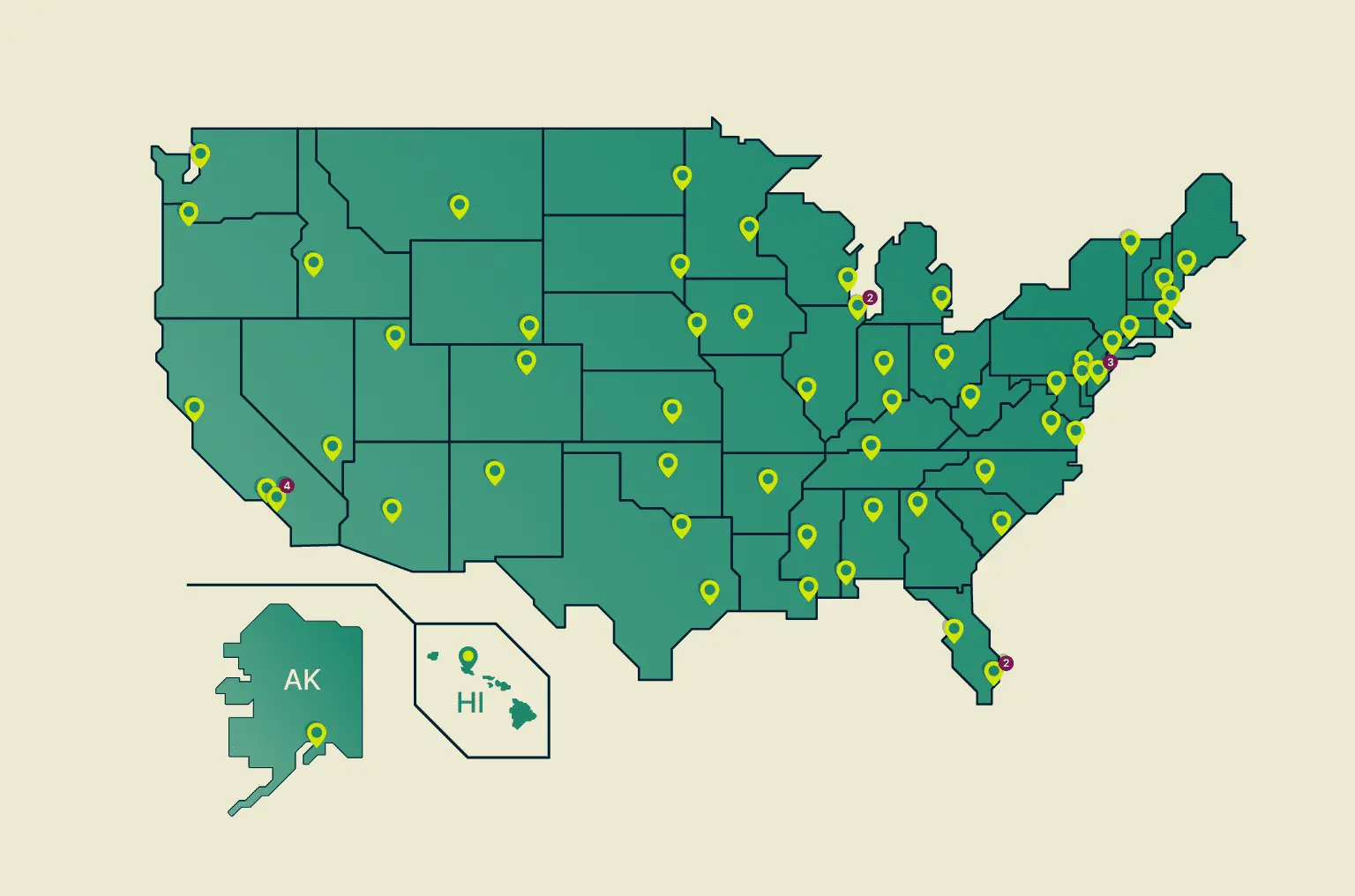
In the past, the U.S. internet was one big pond. Today, it’s more like 50 different swimming pools, each with its own set of “house rules.” Individual states have started pushing their own legislation that directly affects how you move around online.
Digital IDs and Age Gates
Several states, like Utah, Louisiana, and Texas, have introduced laws requiring users to upload government IDs just to access social media or certain websites. While officially framed as “protecting the youth,” in practice, it’s a privacy nightmare for anyone who wants to stay anonymous.
With servers in every state, you can skip these hurdles. If you’re sitting in Texas where they’re asking for your ID, you can simply hop onto a server in a neighboring state where no such law exists and keep browsing like a free person. This flexibility is perhaps the strongest argument for a wide-reaching VPN network today.
Data Privacy Laws
California led the way with the CCPA, giving you the right to tell companies: “Delete my data and don’t sell it to anyone.” Other states are following suit, but each has its own flavor.
Being able to connect through a server in a state with the best consumer protection laws is like having a top-tier lawyer in your pocket. You simply choose the best “digital jurisdiction” for whatever you’re doing.
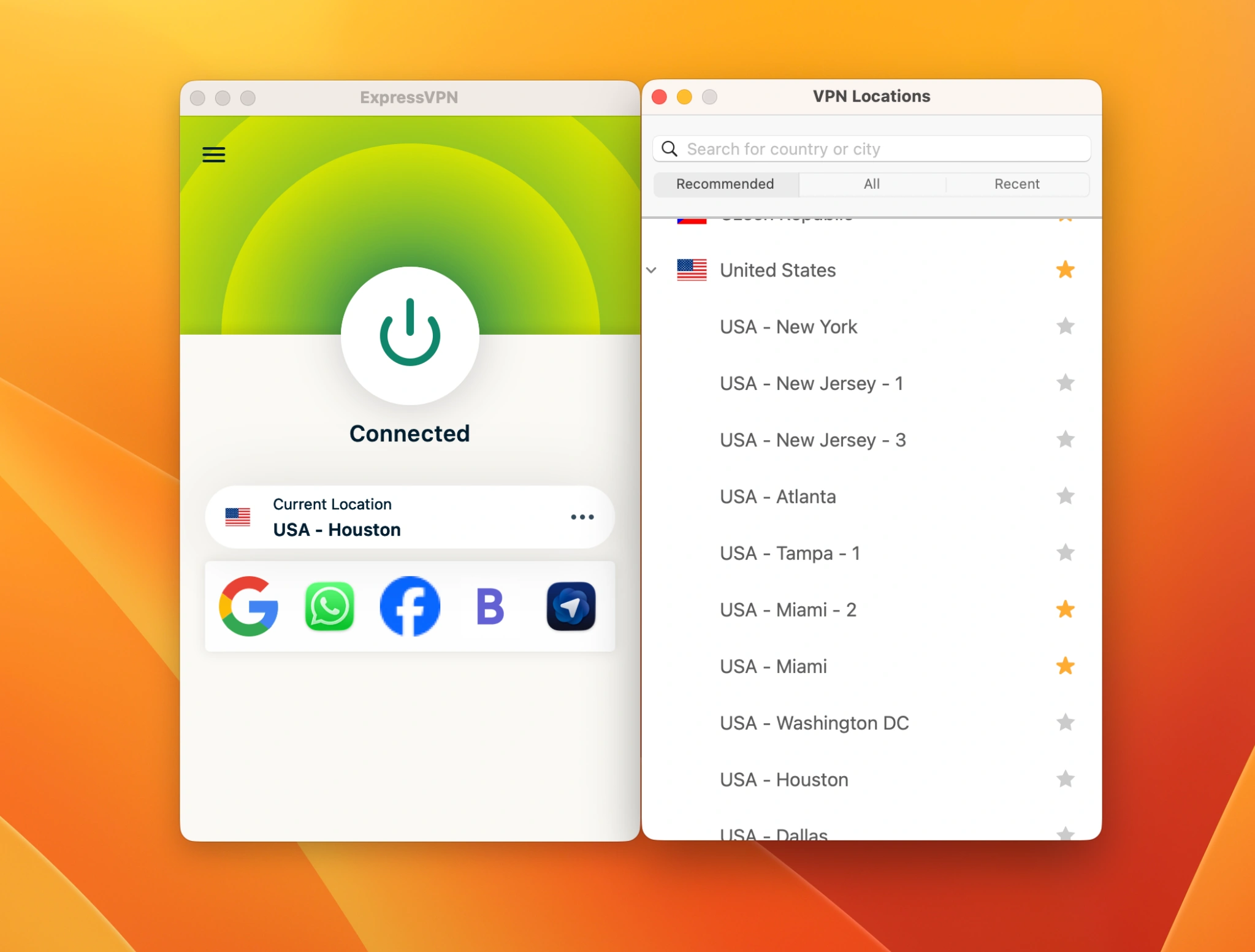
Table 1: The “Before vs. Now” Comparison
| Feature / Capability | Old Network (24 Locations) | New Network (All 50 States) |
| U.S. Coverage | Major metros and hubs only | 100% nationwide coverage |
| Sports Streaming | Frequent local blackout issues | Easily bypass restrictions in any state |
| Speed (Ping) | Higher latency for remote states | Minimal lag due to server proximity |
| State Legislation | Limited jurisdictional choice | Pick the state with the best privacy laws |
| Technology | Standard VPN servers | 100% TrustedServer (RAM-only) |
2. Sports Fans, This One’s for You
If you follow the NHL, NBA, or NFL, you know exactly what a “blackout” is. It’s that frustrating moment when you’ve paid for an expensive subscription, sat down on the couch, and a message pops up saying you can’t watch your local team because the game is being played in your city and a local station has the exclusive rights.
In the past, using a VPN for this was a gamble. You might have had a server in Los Angeles, but if that was also in the “blackout zone,” you were out of luck. Now that ExpressVPN has servers in every single state, you have 50 different ways to get out of that zone.
Want to watch the Rangers but you’re blocked in New York? Switch to a server in Connecticut or New Jersey and the stream is back on. For sports junkies, this feature alone pays for the VPN subscription.
3. Under the Hood: Why Is It So Much Faster Now?
You can’t just slap icons on a map and call it a day. It actually has to perform. ExpressVPN poured a lot of capital into this expansion and completely overhauled the hardware to a new standard.
Lightway Turbo: No More Speed Limits
Standard VPN protocols can be clunky. ExpressVPN has its own protocol called Lightway, which is now in its “Turbo” iteration. What does that mean in plain English?
- Instant Speed: It doesn’t take seconds to connect; it takes milliseconds. Click, and you’re in.
- Battery Friendly: It barely sips power on mobile because the code is lean and efficient.
- Stability: When you switch from Wi-Fi to mobile data, the connection doesn’t drop.
Because there is now a server in every state, the physical distance between you and the server is kept to a minimum. Physics doesn’t lie—the closer the server, the lower the latency (ping). This is a massive deal for anyone gaming online or hopping on video calls.
TrustedServer: Servers That Forget Everything
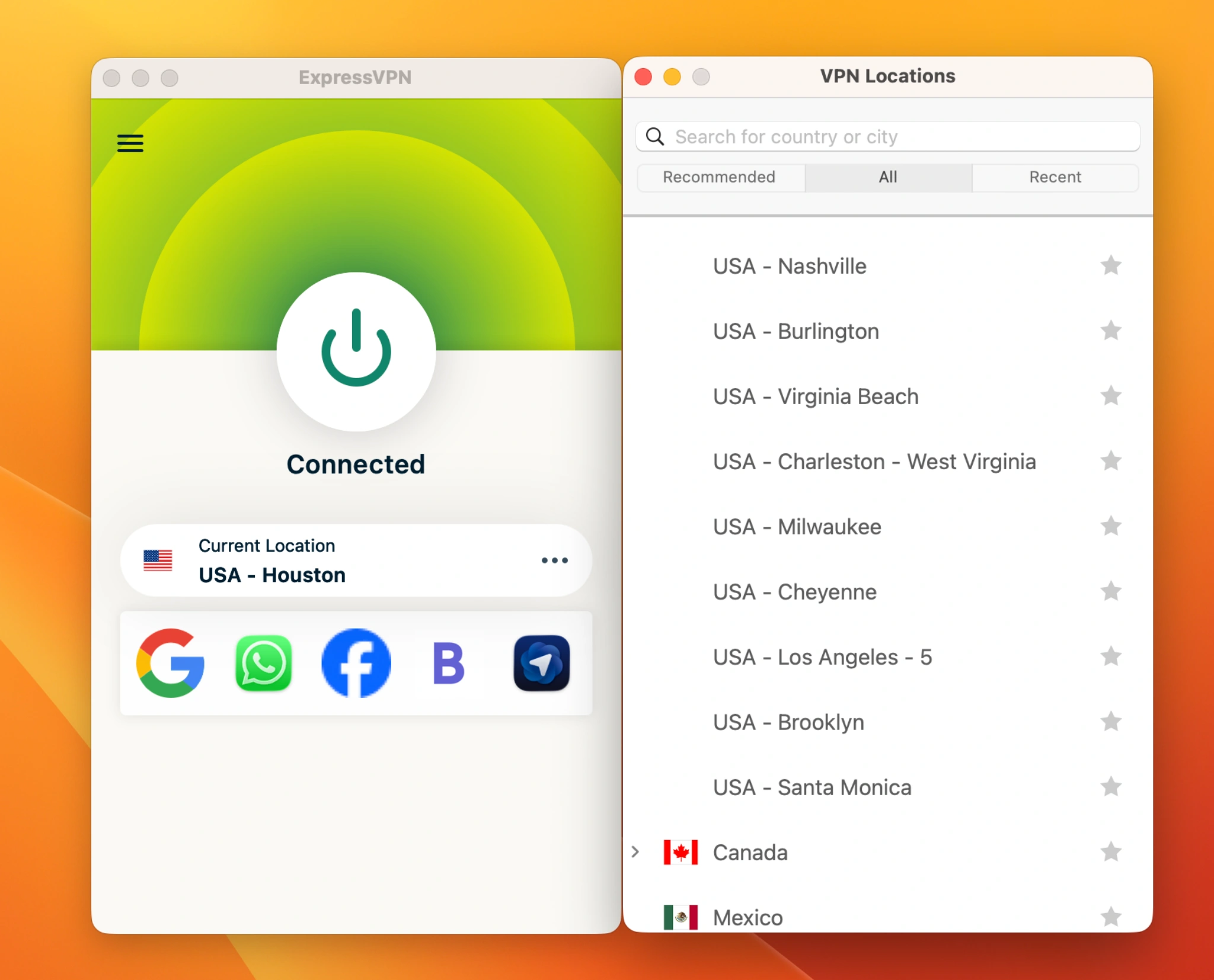
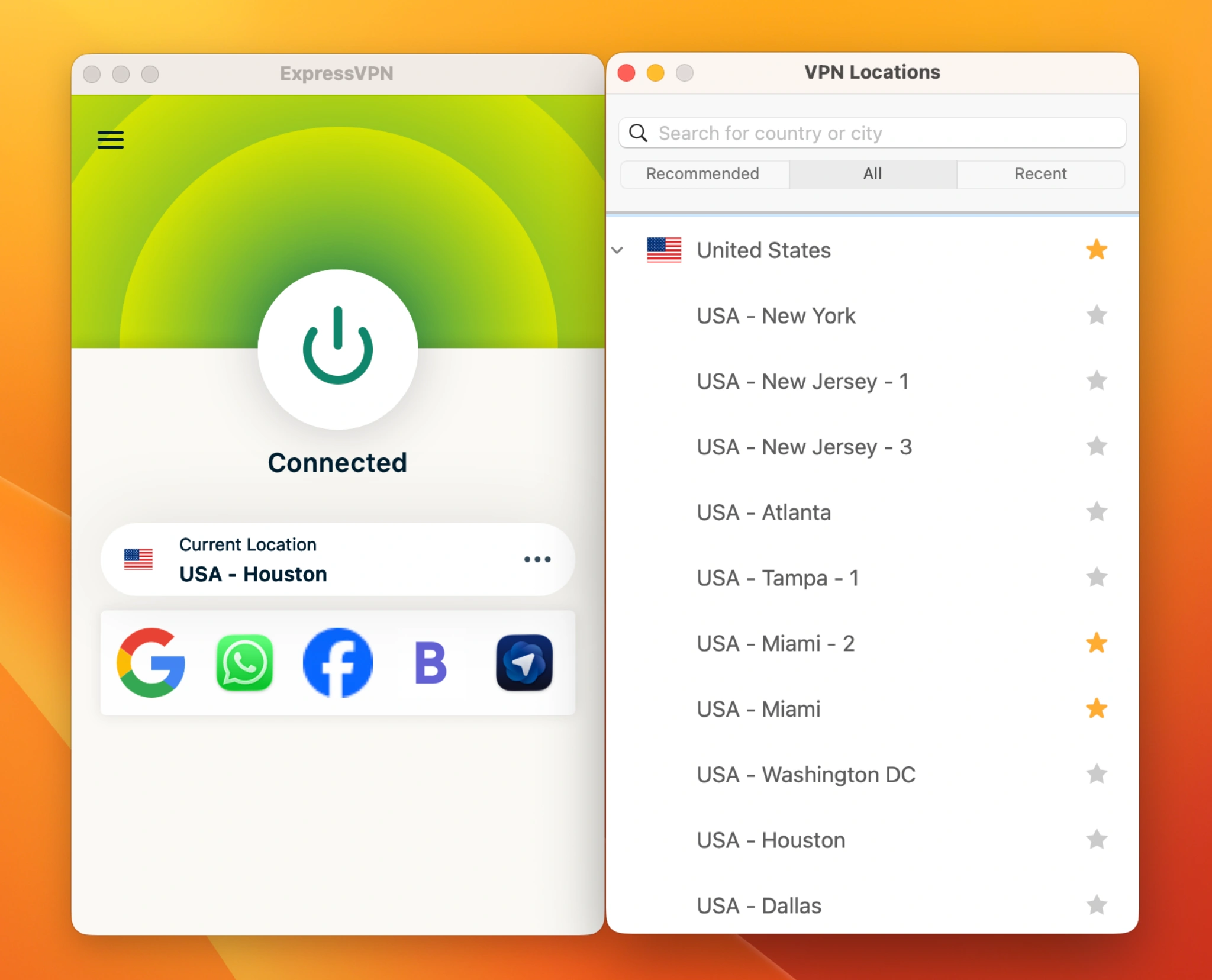
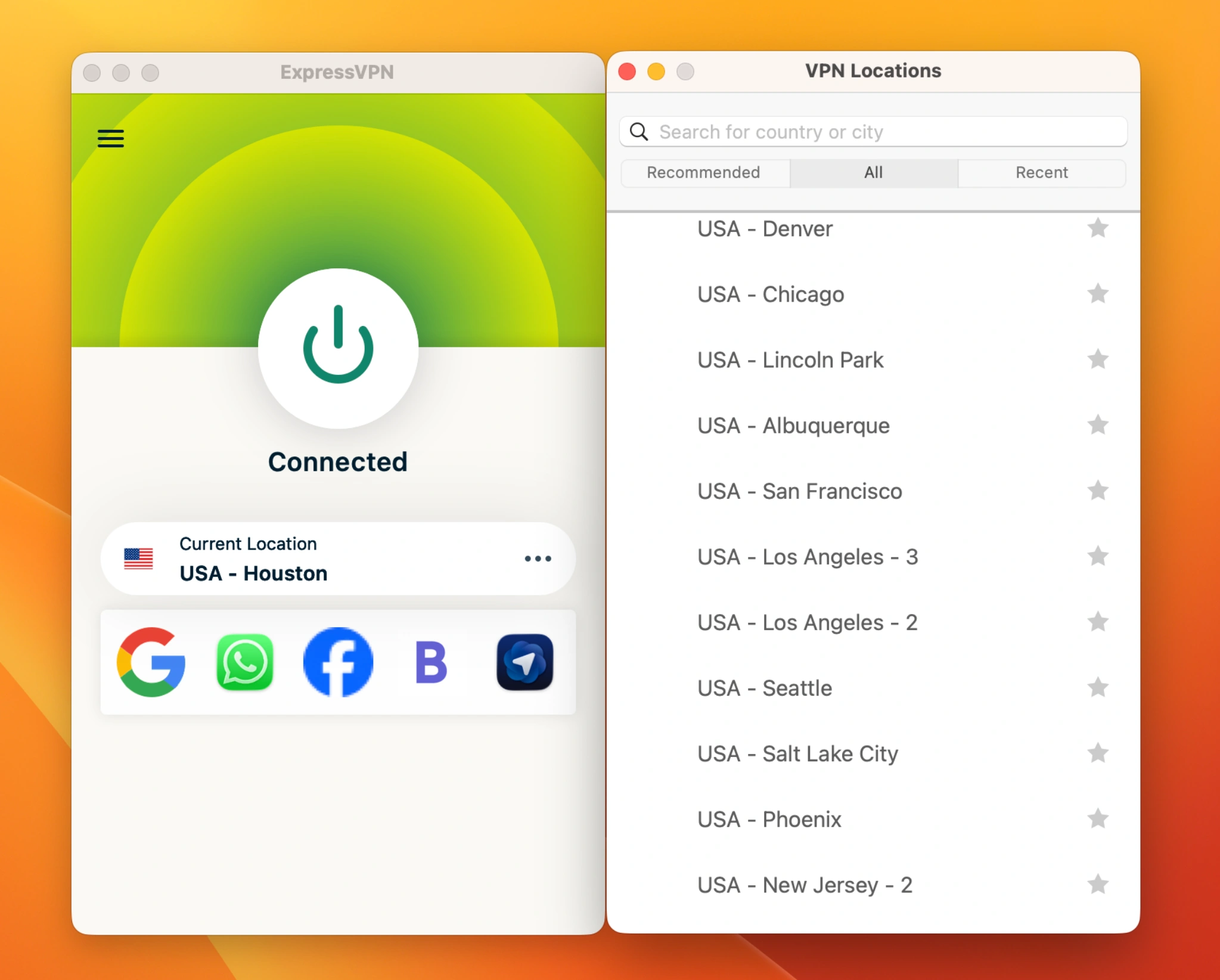
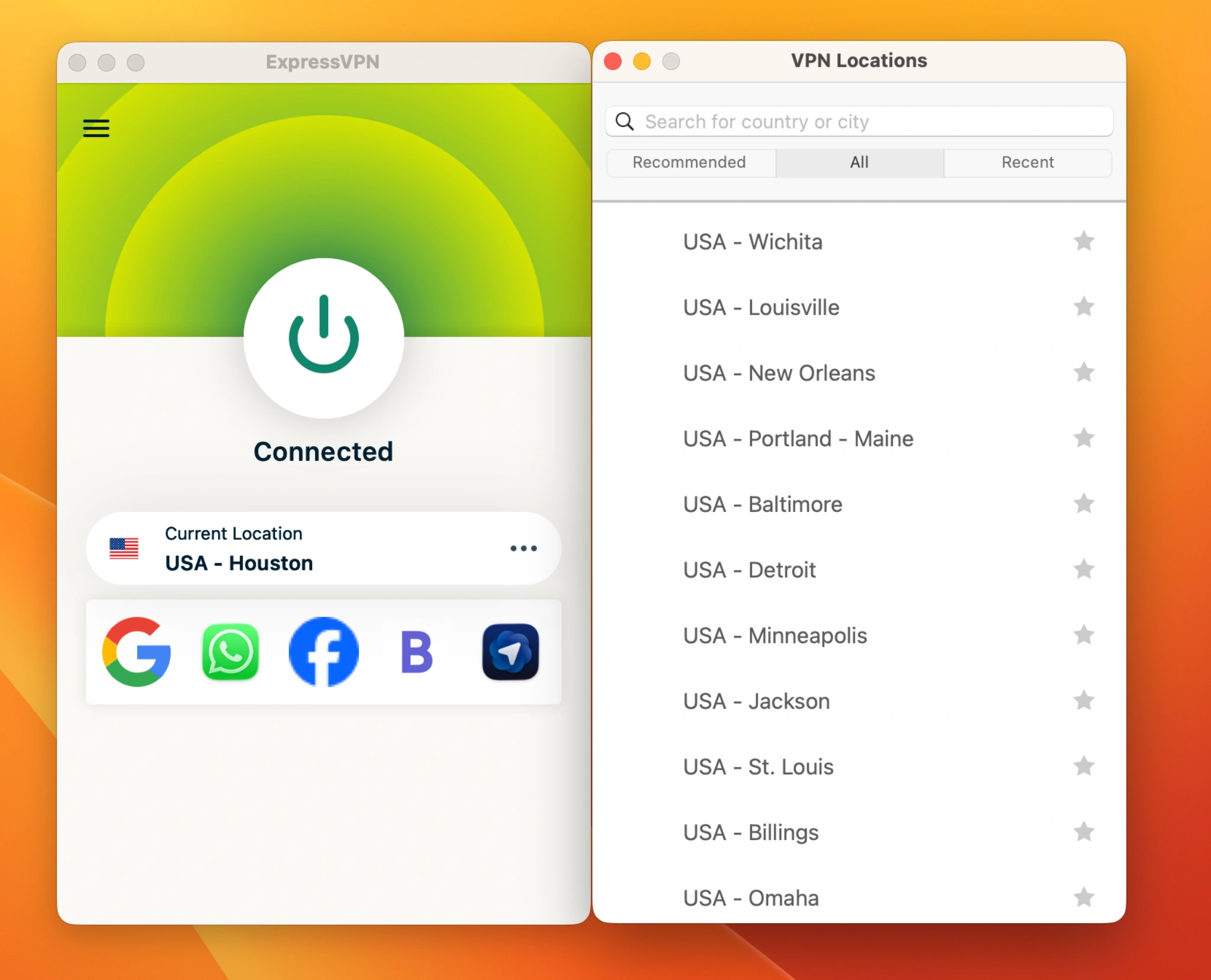
All these new locations run on TrustedServer technology. This is essentially the gold standard for security right now. These servers have no hard drives. Everything runs entirely in RAM (volatile memory).
Why does this matter? Because as soon as the server is turned off or rebooted, all data simply vanishes. There is no “record” that anyone could analyze later. Even if someone physically seized the servers from the data center, they’d find absolutely nothing. They are just empty boxes with zero history.
4. Table 2: Practical Uses (When and Why to Pick a State)
| Situation | Which State to Pick (Example) | The Main Benefit |
| Shopping & Flights | States with lower cost of living | Avoid location-based price gouging |
| Watching NHL/NFL | A neighboring state of your team | Unlock games blocked by local blackouts |
| Maximum Privacy | California or Colorado | Use strong state data protection laws (CCPA) |
| Working Remotely | Your home state (e.g., Ohio) | Seamless access to local banking and gov sites |
| Gaming | Geographically closest state | Rock-solid connection without lag |
5. Pro Tricks You Might Not Know
When you have access to an IP address from any U.S. state, it opens up possibilities that most people don’t even think about.
Price Discrimination is Real
Next time you’re booking a flight or a hotel, try searching while pretending to be in a wealthy state like New York, and then try a server in a lower-cost state. Prices often change.
Booking site algorithms are designed to squeeze as much money out of you as possible based on your location. With 50 states in your pocket, you can do some “digital window shopping” and find the best deal.
Accessing Local Services
A lot of things in the U.S. are “geo-fenced.” Local news, state lotteries, specific government portals, or even some e-commerce sites won’t let you in unless you are physically (or virtually) in that state.
For expats or frequent travelers, this is the only way to keep access to everything “back home.”
Table 3: Technical Specs for the Tech-Savvy
| Technology | What It Actually Does | Why You Want It |
| Lightway Turbo | Optimized 10Gbps protocol | Lightning-fast connection; saves phone battery |
| TrustedServer | System runs purely in RAM | No data is ever written to a physical disk |
| Quantum Protection | Post-quantum encryption | Secure even against future supercomputers |
| Network Lock | Automatic Kill Switch | No data leaks if your Wi-Fi drops |
| Private DNS | Custom DNS on every server | Your ISP can’t see what you’re doing online |
6. Heads Up: The March Deadline
There is one thing you shouldn’t miss. Along with this massive expansion, ExpressVPN has completely overhauled its encryption key and certificate system. Older versions of the app that haven’t been updated in a while will stop working after March 31st.
This isn’t a “gotcha” it’s just a move to much higher security standards that old versions can’t handle.
If you want to use the new 50-state map and don’t want your VPN to suddenly cut out on you, just update your app to the latest version (v12 or newer). It takes a few clicks, but it’s better to do it now than to find yourself at an airport without a secure connection.
7. Virtual vs. Physical Locations: Playing Fair
ExpressVPN is one of the few companies that is upfront about how its servers work. It isn’t always safe or technically feasible to build a massive data center in every single state. So, they use a hybrid approach:
- Physical Servers: Used in states where the infrastructure is top-tier.
- Virtual Locations: You get an IP address from that state (e.g., Alaska), but the hardware physically runs in the nearest secure hub with great connectivity (e.g., Seattle).
For you as a user, nothing changes. You get the IP you need and the speed you expect. The key here is transparency you know exactly what you’re getting.
Why ExpressVPN and Not Someone Else?
There are plenty of VPNs on the market promising the world. But honestly, how many of them actually invest in their own infrastructure and custom protocols like Lightway? Most of them just resell someone else’s servers and slap their logo on a generic app.
ExpressVPN builds everything in-house. That gives them a level of control over security that you just won’t find elsewhere. When they say they have a server in every state, it means thousands of hours of network architecture work went into it, not just a color change in the app.
The Bottom Line:
- Freedom of Choice: Dodge annoying state-level tracking and ID laws.
- Sports Without Borders: No more blackout messages on your favorite streams.
- Speed: Lightway Turbo plus a server in every state means zero lag.
- Ultimate Privacy: TrustedServer tech (all RAM, no disks).
- Save Money: Compare prices across all of America.
Final Thoughts
The internet is changing, and unfortunately, it isn’t always toward more freedom. Boundaries that used to exist only on a map are now being built into digital spaces. ExpressVPN’s move to cover all 50 states is essentially building a tunnel that lets you crawl under these modern-day fences.
It’s not that you necessarily need a Wyoming IP address every single day. It’s about having the option when you do. Having a choice is the most important thing you can buy on the internet today.
If you’re serious about your privacy and you’re tired of “This content is not available in your region” messages, the new version of ExpressVPN is currently the most powerful tool you can have in your arsenal.
FAQ
Does ExpressVPN really have servers in all 50 U.S. states?
Yes. ExpressVPN now offers IP coverage for every U.S. state. Some locations use physical servers and others use secure virtual locations, but in both cases you receive a real IP address from the selected state and full functionality.
Why would I need a VPN server in a specific U.S. state?
Different states can have different laws, streaming restrictions, pricing models, and online services. Connecting to another state can help you bypass sports blackouts, avoid ID verification rules, access local services, or compare location based prices when booking flights or shopping online.
Will connecting to different states slow down my internet speed?
Usually not. In many cases it can actually improve performance. Because ExpressVPN has more locations, you can connect to a server physically closer to you, which reduces latency and improves stability for streaming, gaming, and video calls.
What is the difference between physical and virtual server locations?
A physical server is located directly inside the state it represents. A virtual location provides an IP address from that state, but the hardware runs in a nearby high performance data center. For normal use there is no practical difference in speed, access, or security.
Read similar article about ExpressVPN
- ExpressVPN for Windows PC: The One VPN That Actually Gets It Right
- I Ran ExpressVPN on Ubuntu & Arch—Here’s the Honest Truth
- ExpressVPN for Mac 2025: Your Ultimate Apple Privacy Upgrade
- ExpressVPN for Android: Best Streaming & Privacy Everywhere
- Watch Netflix Anywhere: ExpressVPN Tips That Actually Work