






You chose Citibank for a reason and saw the ads in the airport. You saw the ATMs in London, Tokyo, and Dubai. Signed up because you were promised a “Global Bank” that moves with you.
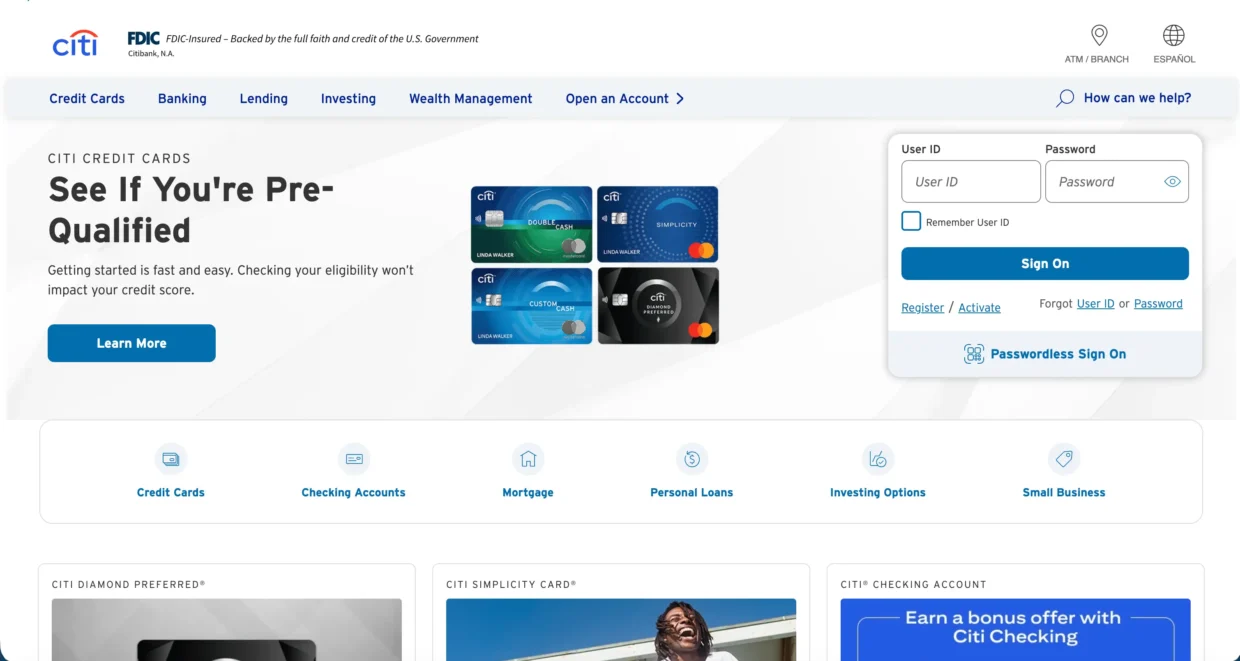
So, imagine your shock when you land in Singapore, walk past a physical Citibank branch, try to log in to your mobile app to pay a bill, and get hit with an “Access Denied” screen.
You might stare at the phone in disbelief. “How can I be blocked? I am standing right in front of a Citibank!”
Here is the hard truth that the marketing brochures don’t tell you: There is no such thing as one global Citibank system.
Citi US, Citi Europe, and Citi Asia are effectively different companies wearing the same uniform. If you try to log in to your US-based account from a foreign internet connection, the US security system treats you just like any other stranger knocking at the door: it locks the deadbolt.
If you are currently staring at a spinning wheel or a generic error message, don’t worry. Your money is safe. You just need to virtually travel back home to access it. Here is the step-by-step guide to bypassing the Citi blockade.
Why The “Global” Bank Blocks You
To understand the fix, you have to understand the disconnect.
When you open an account in New York, your data lives on US servers, protected by US cybersecurity laws and US-specific fraud algorithms.
When you connect to the internet from a hotel in France, you are using a French IP address.
- The Expectation: You think, “I’m a Citi customer, let me in.”
- The Reality: The Citi US server thinks, “Why is someone from a French ISP trying to access a New York account at 3 AM?”
To the automated fraud bots, this behavior mimics a hacker using a stolen password. The system doesn’t care that you have a “Citigold” status or a premium credit card. It cares about Data Sovereignty and Risk Management. It cuts the connection to protect the asset.
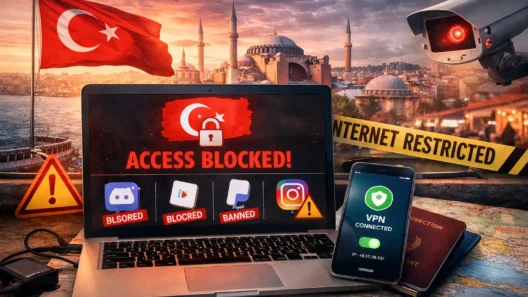
Furthermore, Citi often geoblocks specific regions entirely. If you are traveling through high-risk cyber zones (parts of Southeast Asia, Eastern Europe, or Africa), the login page might not even load.
The Solution: The VPN Tunnel
You cannot merge the global banking systems, but you can trick the US system into thinking you never left. You need a VPN (Virtual Private Network).
| 3 Best VPN for Banks | Offer + Discount | URL |
|---|---|---|
| SurfShark | 87% off + 2 months free | Try SurfShark |
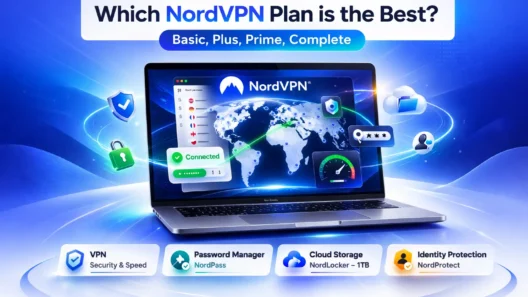
| NordVPN | 77% off + 3 months free | Try NordVPN |
| ExpressVPN | 73% off + 4 months free | Try ExpressVPN |
A VPN is a tool that routes your phone or laptop’s internet connection through a server in a different country. By connecting to a VPN server in the United States, you effectively “mask” your foreign location.
- Before VPN: You -> French Internet -> Citi US (Blocked).
- After VPN: You -> Encrypted Tunnel -> US Server -> Citi US (Accepted).

Step-by-Step: Regaining Access to Citi
Do not skip the first step. Citibank’s cookies are notoriously sticky.
Step 1: Scrub Your Browser
If you have already tried (and failed) to log in, your browser has “remembered” your failed attempt and your foreign location.
- On Mobile: Close the Citi App. Open Chrome or Safari. Go to Settings -> Privacy -> Clear Browsing Data.
- On Laptop: Open a new Incognito or Private window.
Step 2: Engage the VPN
Open your VPN app and search for “United States.”
- Tip: If you have a choice of cities, pick one on the East Coast (New York/New Jersey) as that is where Citi’s main servers are often located. This can sometimes result in a faster connection.
Step 3: Login via Browser First
We recommend logging in via the mobile website (citi.com) before trying the App. The App has access to GPS data and is harder to fool. Once you verify your session on the browser, the App will often start working again.
Which VPN Should You Use?
Banking encryption is heavy. You need a VPN that can handle the load without triggering Citi’s “Proxy Detectors.” Here are the top three recommendations for travelers.
1. Surfshark (Best Overall for Travel)

Surfshark is the current champion for travelers who want things to just work without breaking the bank.
- The “Camouflage Mode”: This is the killer feature for Citibank. Some banks try to block VPNs. Surfshark’s Camouflage Mode makes your VPN traffic look like regular browsing traffic, slipping past Citi’s firewall undetected.
- Unlimited Devices: You can leave Surfshark running on your phone, your laptop, and your travel companion’s tablet all at once.
- Price: It is significantly cheaper than the competition while offering premium speed.
2. NordVPN (Best Security Features)

If you are paranoid about security (which, when banking, is a good thing), NordVPN is the heavyweight choice.
- Threat Protection: Nord blocks malware and phishing sites at the network level. If you are connecting to sketchy airport Wi-Fi to check your balance, this feature is a lifesaver.
- Obfuscated Servers: Like Surfshark’s Camouflage, these servers are designed specifically for countries with heavy censorship (like China or UAE). If you are in a restricted region, Nord is the most reliable way out.
3. ExpressVPN (Easiest to Use)

ExpressVPN has been the gold standard for years. It is more expensive, but you pay for simplicity.
- One-Click Interface: There are no complex settings. You press the big button, and you are in the US.
- Server Refresh: They constantly rotate their IP addresses. If Citi bans one IP, ExpressVPN usually has a fresh one ready instantly.
The “One-Time Password” (OTP) Struggle
Once you bypass the location block with the VPN, Citi will likely ask for a One-Time Password to verify it’s really you.
“We have sent a code to your mobile number ending in… “
If that SIM card is back home in a drawer, you are stuck. Here is how to handle Citi’s verification:
1. The Citi Mobile Token (Best Method) If you still have access to the app (even if limited), check if you have “Symantec VIP Access” or the built-in “Mobile Token” enabled. This generates a code inside the app without needing an SMS text.
2. Push Notifications Similar to the token, Citi can sometimes send a “Push” to a trusted device. This works over Wi-Fi (via your VPN).
3. The Call Option If SMS fails, look for the link that says “Call me instead.” Use Google Voice or Skype to answer the call over Wi-Fi. The automated bot will dictate the code to you.
4. The Physical Branch Trap (Don’t do it) Warning: Do not go into a local Citibank branch in Paris or Bangkok asking them to unlock your US account. They legally cannot access the US system. They will simply hand you a phone and tell you to call the US customer service line—which you can do yourself from your hotel room.
Summary: Be a Smarter Traveler
Citibank offers great products for travelers, but their digital security is stuck in the past. They rely on “where you are” to determine “who you are.”
Don’t let a blocked account leave you stranded without funds.
- Get Surfshark (or NordVPN) before you leave.
- Connect to the US whenever you bank.
- Use a browser, not the app, if you run into glitches.
With a VPN, you can finally make Citibank live up to its promise of being a truly global bank.
FAQ
I thought Citibank was global. Why is my account blocked?
While the brand is global, the banking systems are regional. Citi US and Citi UK use different servers. If you try to access the US server from a foreign location, the fraud algorithm flags it as suspicious activity and blocks the connection.
Can I go to a local Citibank branch to unlock my US account?
No. Local branches (e.g., in Thailand or France) have no access to the US banking system due to data privacy laws. They cannot unlock your account or verify your identity for US operations.
Will using a VPN get my Citibank account banned?
No. Thousands of travelers use VPNs daily. As long as you connect to a US server and enter your correct credentials, the bank simply sees a secure connection coming from the United States.
Which VPN is best for Citibank?
Surfshark is highly recommended for its “Camouflage Mode,” which prevents the bank from detecting that you are using a VPN. NordVPN is also excellent for its strong security features.
Similar articles:
- How to Log In to Bank of America as If You Were Still in the US
- Can’t Access Your Chase Account Abroad? Here Is The Fix
- Can’t Access Your Capital One Account Abroad? Here Is The Fix
- How to Login to Your Wells Fargo Account Abroad: Full Guide