






Imagine waking up one day and finding that Facebook, Instagram, WhatsApp, and more than twenty other social media platforms are suddenly blocked. That’s exactly what millions in Nepal experienced just this week—until the government, overwhelmed by massive protests and a tragic death toll, reversed its decision but replaced online censorship with an all-out curfew. If you think digital freedom is guaranteed everywhere, Nepal just delivered a wake-up call.
Why Did Nepal Try to Block Social Media?
The government’s official explanation was all about “protecting citizens” from online abuse, fake news, and criminal scams. But on the ground, most people saw it as a desperate attempt to silence criticism—especially from young Nepalis, for whom social media isn’t just a pastime but a lifeline.
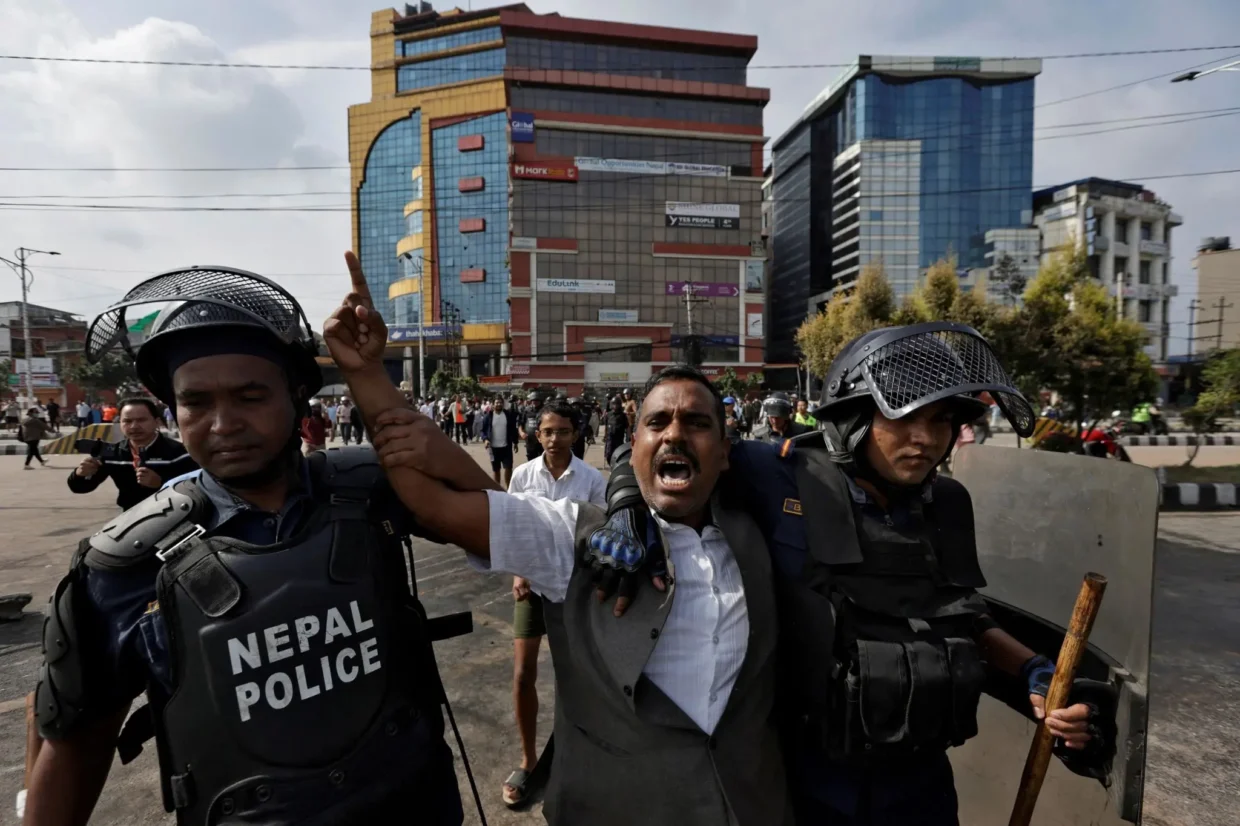
Within hours, Kathmandu’s streets (and later, those of many other cities) filled with thousands of angry, frustrated people. Most were from Gen Z, who simply refused to give up their voice or let their digital world disappear without a fight.
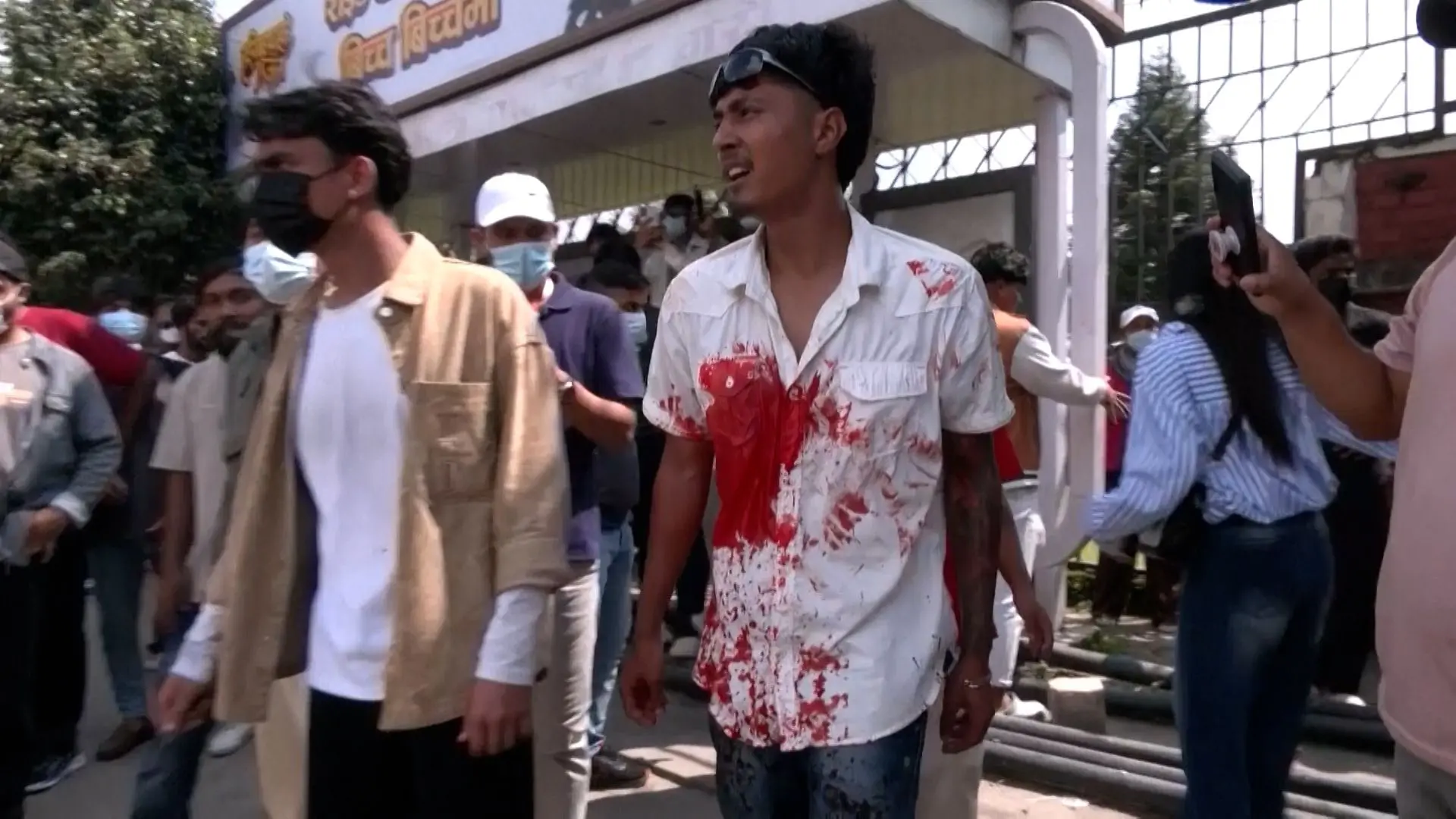
As the protests grew, police responded with tear gas, rubber bullets, and even live ammunition. Nineteen people lost their lives. Hundreds were hospitalized. Suddenly, a debate over Facebook access turned into a full-blown crisis.
Social Media Restored—But at What Cost?
Facing mounting pressure and global attention, Nepal’s government announced it was restoring access to all blocked platforms. The Minister of Communication told reporters, “We have lifted the closure of social media. They are now working.” And yes, users across the country confirmed they could once again log in, message friends, and organize online.
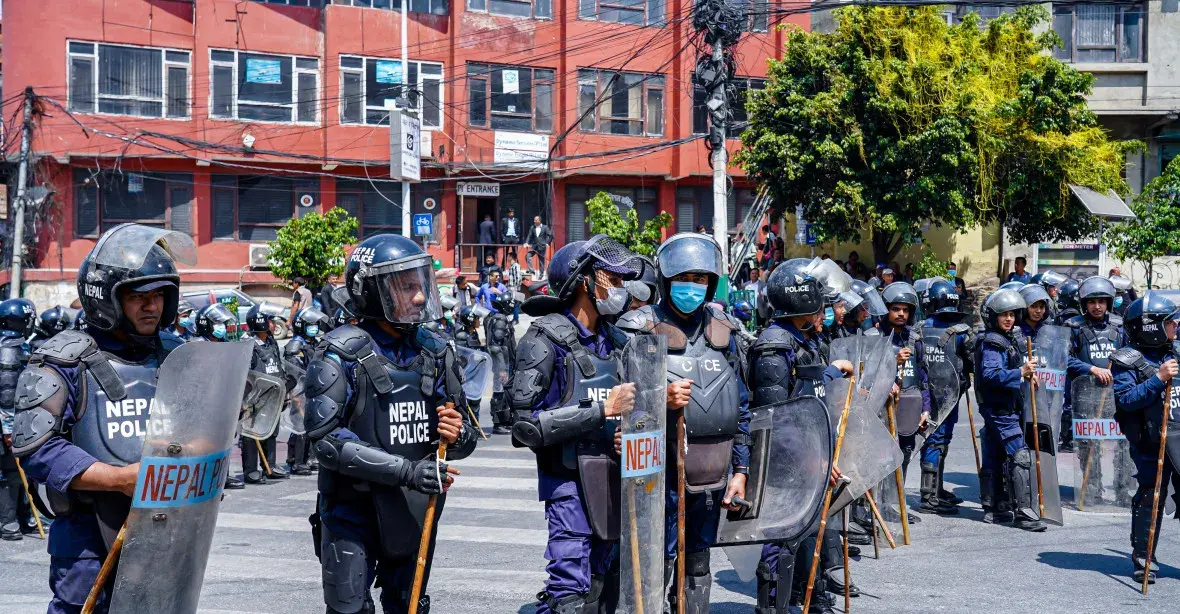
But celebration was short-lived. In place of digital bans, the government imposed an unlimited curfew in Kathmandu—ostensibly to prevent “further violence.” Memorial gatherings for victims were banned. Even as people got their digital lives back, their real-life freedoms vanished overnight.
Protest, Censorship, and the Digital Generation
What’s remarkable about Nepal’s story is just how fast Gen Z mobilized, both on the ground and—when possible—online. Their protests weren’t just about losing TikTok or Messenger.
They reflected deep, long-standing frustration: rampant government corruption, shrinking job opportunities, and a sense that their voices simply don’t matter. When even online spaces are taken away, you get what the world just saw—an explosion of resistance.
Let’s be real: Social media is more than just memes and status updates. It’s a platform for activism, a tool for organizing, and a way to stay connected in a country where other forms of communication are often unreliable. Take that away, and you’re left with a generation ready to take risks for their digital rights.
How People in Nepal Bypassed the Block: The VPN Factor
Of course, anyone with tech-savvy friends knows that online bans can be beaten. Throughout the blackout, VPN apps shot to the top of download charts in Nepal. VPNs, or Virtual Private Networks, let you mask your real location and access the open web as if you’re in another country—making them the go-to solution for anyone trying to unblock Facebook, WhatsApp, or Instagram.
My Top VPN Picks for Beating Any Social Media Ban:
- NordVPN: Ultra-reliable, with thousands of servers worldwide, super-fast speeds, and top-notch privacy. If you need to bypass blocks and protect your identity at the same time, this is a powerhouse.
- Surfshark: My favorite for unlimited device connections. Even if the government blocks multiple platforms, Surfshark gets you around it—plus it’s budget-friendly and great for travelers who need to keep all their devices online.
- ExpressVPN: Often regarded as the “it just works” VPN, ExpressVPN is super easy to set up, fast, and can beat even the strictest blocks—whether you’re dealing with government censorship or just trying to stream your favorite shows.
If you’re living in, working in, or traveling to Nepal (or anywhere with unpredictable internet rules), it’s smart to install one of these VPNs before you arrive. That way, you’ll never lose touch, even if the authorities flip the internet switch.
| 3 Best VPN for Nepal | Offer + Discount | URL |
|---|---|---|
| NordVPN | 77% off + 3 months free | Try NordVPN |
| ExpressVPN | 73% off + 6 months free | Try ExpressVPN |
| SurfShark | 87% off + 2 months free | Try SurfShark |
Beyond Nepal: Why This Story Matters Globally
Some might wonder why anyone outside Nepal should care about these protests and bans. Here’s the thing: Nepal’s week of chaos is a reminder that digital rights are fragile everywhere. Political instability, even in a relatively small country, can erase years of online progress in just a day.
The world’s largest tech companies—Meta (Facebook/Instagram), X (Twitter), WhatsApp—are rarely fast or transparent when governments start censoring their services. It falls on regular people to protect their own digital lifelines, whether that’s with VPNs, encrypted messaging, or organizing outside official channels.
When governments claim they’re just “protecting the public” but then shoot live rounds at demonstrators, it’s obvious there’s more at stake than online safety. The fight in Nepal is really about who controls the story—citizens, or those in power.
What Comes Next? Digital Freedom Remains at Risk
As the dust settles, Nepal’s government promises investigations, compensation for victims’ families, and possible reforms. But for most Nepalis, the trust is gone. Gen Z has made it clear they’re not backing down—online or off.
If you’re following this from afar, it’s a powerful lesson: never take digital freedom for granted. Whether you’re a journalist, remote worker, traveler, or just someone who loves to stay connected, know your options. Use a trusted VPN like NordVPN, Surfshark, or ExpressVPN to keep social platforms accessible—even in a crisis.
Final Thought
Nepal’s digital uprising is a warning to all of us. Online rights can be lost overnight—and it might take real courage (and sometimes real risk) to win them back.
Don’t wait for a ban to start thinking about your online security and freedom. Stay prepared, stay connected, and never underestimate the power of one click—or one crowd—when the internet goes dark.