






1. When the Lights Went Out: Gen Z’s Fight for Connection
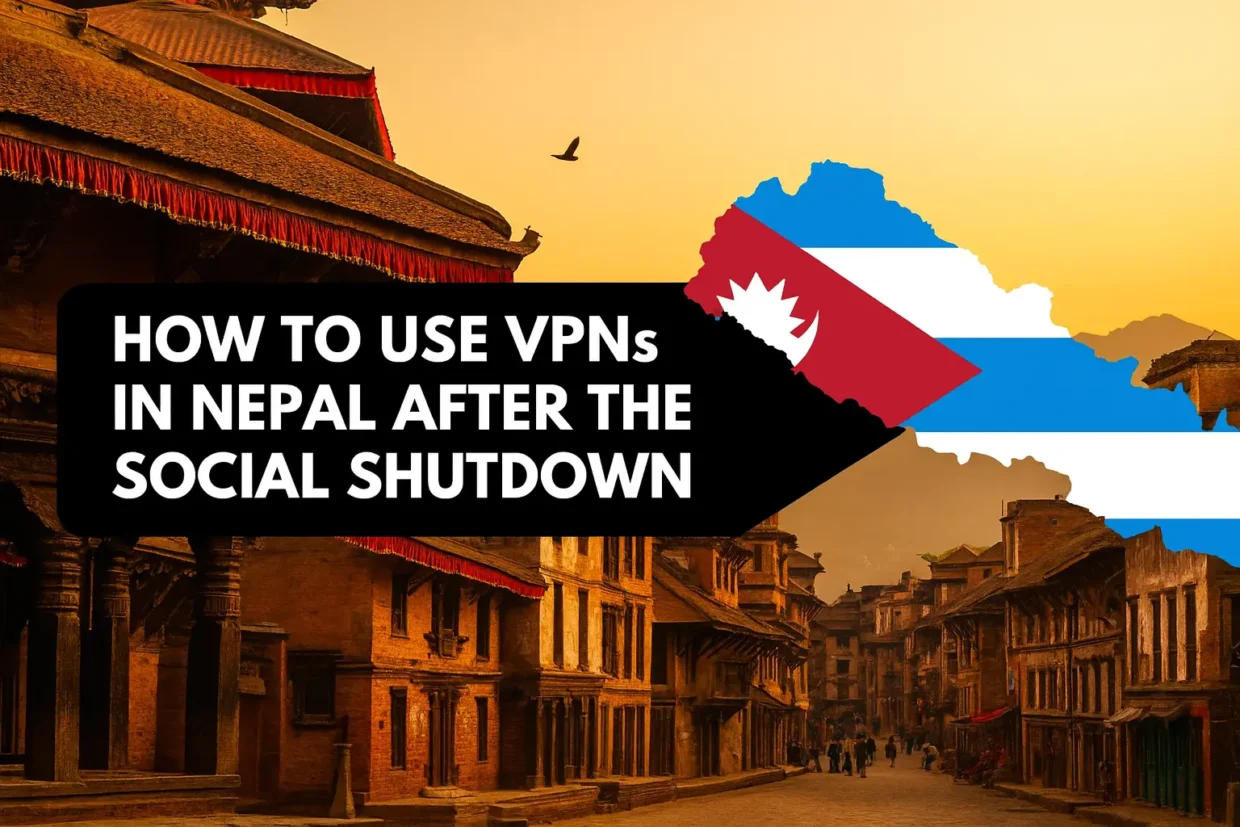
Imagine waking up one morning to find Facebook, WhatsApp, Instagram, X, YouTube—26 major platforms—gone with a government swipe. That’s exactly what happened on September 4, 2025, when Nepal’s Ministry of Communication ordered ISPs to block access to platforms that failed to register domestically. The result? Immediate outage across nearly all digital lifelines—from education to business to everyday chat.
What followed was rapid escalation. Millions of frustrated users—especially Gen Z—took to the streets. Demonstrations across Kathmandu and other cities turned deadly, with at least 19 people killed and over 300 injured.
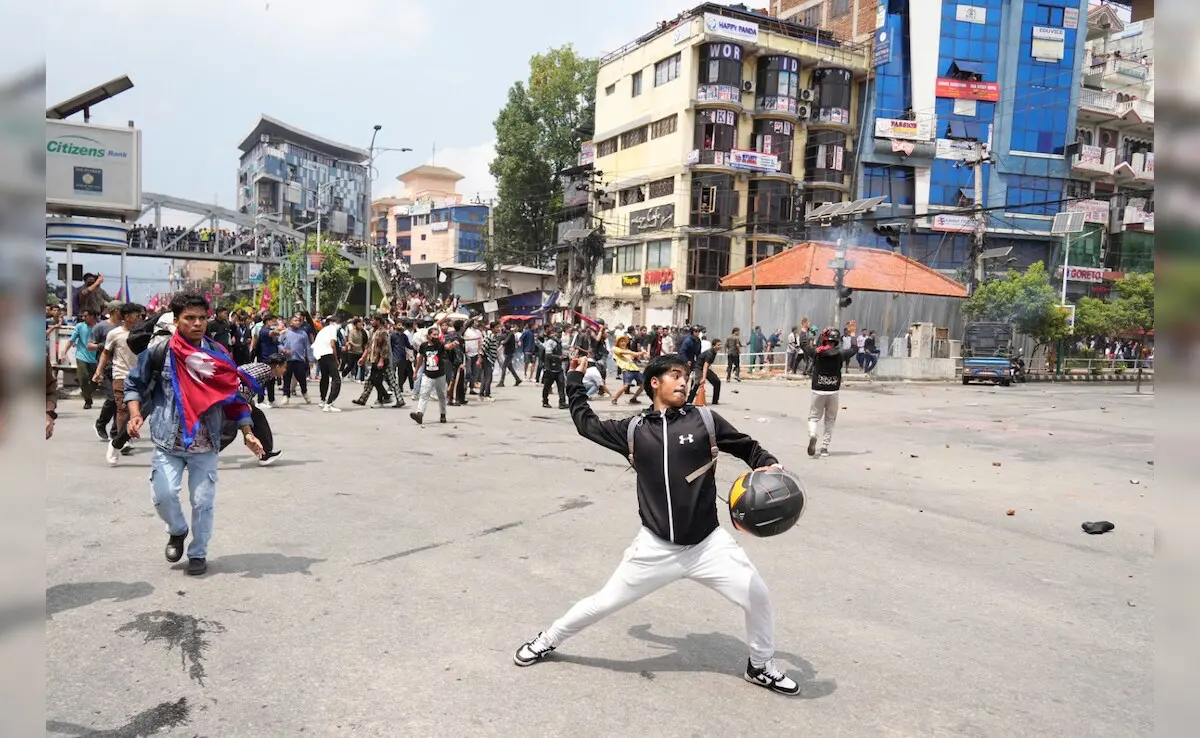
Within days, the pressure proved too high. The government relented and lifted the ban on September 8, 2025. But the impact remains: a stark reminder that internet access isn’t optional—it’s a lifeline.
2. Why VPNs Became Essential—and a Legal Gray Zone
Here’s where VPNs (Virtual Private Networks) turned from niche tool to necessity. VPNs encrypt your traffic and reroute it through servers in other countries, effectively masking your real IP and location. For Nepali users cut off from their digital world, VPNs offered a way to reconnect—at least temporarily.
Legal status? VPN usage is legal in Nepal, so long as it’s not used to commit crimes like hacking or piracy. Still, the police’s Cyber Bureau warned about unverified VPNs, pointing to risks like malware, data leaks, and scams. In short: VPNs are allowed—but choose wisely.
| Best VPN for Nepal | Offer + Discount | URL |
|---|---|---|
| NordVPN | 77% off + 3 months free | Try NordVPN |
| ExpressVPN | 73% off + 6 months free | Try ExpressVPN |
| SurfShark | 87% off + 2 months free | Try SurfShark |
| ProtonVPN | 64% off + 2 months free | Try ProtonVPN |
3. What Users Say: Reddit Speaks
A post on r/Nepal spells it out:
“Avoid r@ndom VPNs—they can steal data or install spyware. First try changing DNS (Google/Cloudflare). If that fails, only use trusted VPNs like ProtonVPN, Surfshark, NordVPN, or ExpressVPN. Privacy > social media.”
Just don’t rush into installing the first “SuperFreeVPN” that pops up.
4. Choosing the Right VPN: Key Criteria
When you’re up against state-level blocking, here’s what matters:
- Obfuscation (Stealth Technology) – Makes VPN traffic look like regular HTTPS, hiding it from deep-packet inspection.
- Server Proximity – Servers near Nepal (e.g., India, Singapore) or even in Kathmandu for faster connections.
- No-logs Policy & Audits – Proven commitment to privacy, verified by independent audits.
- Ease of Use – In a crisis, you don’t want complicated setup—just connect and go.
- Multiple Connections & Support – Good to cover multiple devices, with reliable 24/7 support.
5. Top VPNs for Crisis-Ready Users in Nepal
Based on the above, here’s how three major names stack up:
- ExpressVPN
- Obfuscation: Automatic on all servers & protocols—no menu diving needed. Works even when DPI is present.
- Server Coverage: Many countries, including routes covering Nepal.
- Privacy: No-logs policy, audited, RAM-only servers.
- Ease of Use: Most user-friendly for urgent situations.
- NordVPN
- Obfuscation: Available via “Obfuscated Servers” when manually setting OpenVPN (TCP).
- Security: Strong encryption, audited policy.
- Balanced choice—good features, but needs manual setup.
- ProtonVPN
- Trust: Known for transparency and privacy-first design.
- Limits: Free plans come with bandwidth or server restrictions—but still safer than unknown alternatives.
6. Quick Start Guide
- Try DNS first
- Set DNS to Google (8.8.8.8) or Cloudflare (1.1.1.1). It may bypass simple blocks.
- Install a trusted VPN
- Choose ExpressVPN for zero fuss, or NordVPN if you can handle settings, or Proton VPN for free but limited options.
- Connect & activate obfuscation
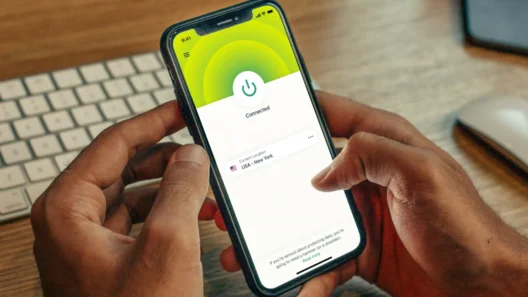
- ExpressVPN: just hit connect—stealth is automatic.
- Nord: go to protocol settings → choose OpenVPN TCP → connect to obfuscated server.
- Enable Kill Switch
- Prevent data leaks if VPN drops. A must-have in uncertain networks.
- Test access & clear browser data
- If a site still fails, clear cookies or use incognito mode.
7. Final Thoughts
Nepal’s social media blackout showed that digital freedom can be fragile—and urgently needed. Using a reputable, stealth-capable VPN isn’t just about access—it’s about staying connected, secure, and empowered when the digital skyline shifts.
All three VPNs covered—ExpressVPN, NordVPN, and Surfshark—are excellent choices, but for pure reliability in a crisis, ExpressVPN takes the top spot thanks to its always-on obfuscation and ease of use. Surfshark is perfect for families or users with many devices, and NordVPN is a solid middle-ground option with robust security.
In the end, the Gen Z protests may have won the battle—but the broader fight for digital freedom in Nepal is ongoing. Having a VPN ready isn’t just a technical choice; it’s a form of digital preparedness. So when the next blackout comes, you’ll be ready to keep the lights on.
Frequently Asked Questions (FAQ)
Is using a VPN legal in Nepal?
Yes, VPNs are legal in Nepal as long as they are not used for illegal activities. The government allows VPN use for privacy protection and accessing legal content.
Which VPN works best in Nepal?
ExpressVPN is the most reliable for Nepal due to its automatic obfuscation. Surfshark is ideal for families, and NordVPN is great for advanced security features.
Can I access Facebook, YouTube, and WhatsApp with a VPN in Nepal?
Yes. A VPN with strong obfuscation (like ExpressVPN) allows access to all blocked platforms, including Facebook, YouTube, WhatsApp, and Instagram.
What is obfuscation and why is it important?
Obfuscation hides VPN traffic to make it look like normal web browsing. It’s crucial in countries like Nepal where authorities use deep packet inspection to block VPNs.
Is a free VPN safe to use in Nepal?
Free VPNs are risky. Many log your data, have weak encryption, and can include malware. Always choose a reputable, paid VPN provider with audited privacy policies.