





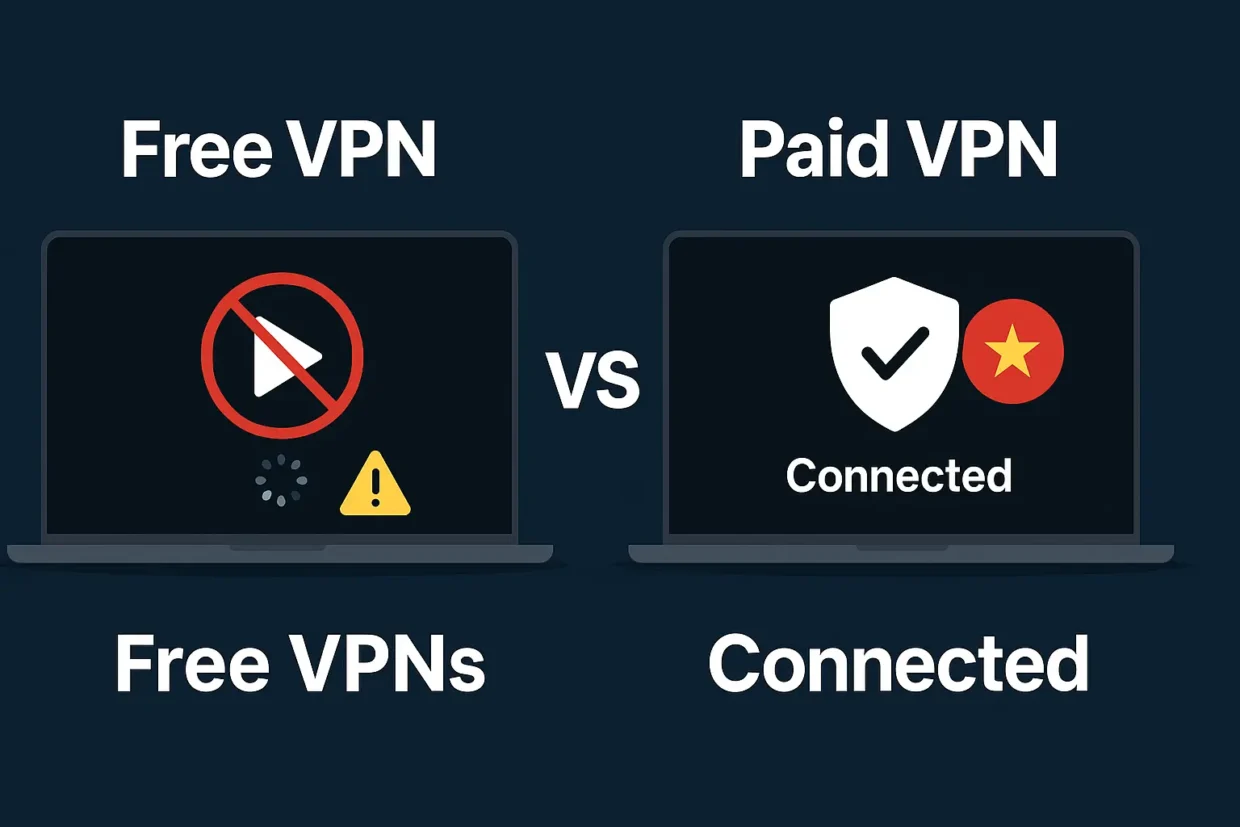
If you’ve ever tried watching Vietnamese TV from abroad say VieON, VTV Go, or even just the nightly news and thought, “Why isn’t this working?”… you’re not alone. I found myself in the exact same boat while in a hotel room in Hoi An, trying to catch up on a Vietnamese series I’d been following. I was connected to a so-called “free” VPN. It looked promising. It wasn’t.
That night, after about 30 minutes of buffering, error messages, and random disconnections, I gave up. But that frustration turned into curiosity — and eventually into this post.
So if you’ve ever wondered whether those free VPNs are “good enough,” especially for Vietnam here’s what I learned (and tested!).
Why Free VPNs Seem Tempting at First
We all love a good freebie. And if something says “Unlimited VPN, totally free,” you’d think it might just do the job. Quick download, no credit card, and you’re set, right?
That’s exactly how I started. But it didn’t take long to hit the usual walls:
- VieON refused to load
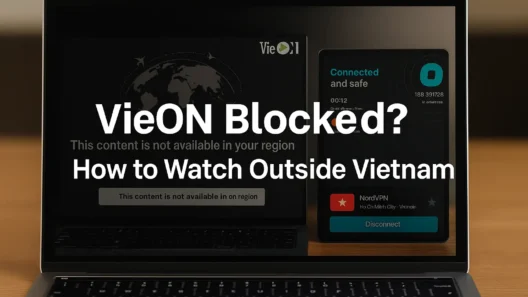
- VTV Go showed me the “not available in your region” message
- And hotel WiFi kept dropping my connection entirely
Worse? I couldn’t tell if the VPN was even working. Some didn’t show a clear location. Others had servers in two countries (usually the US and the Netherlands) none of which helped with unblocking Vietnamese content.
That’s when I realized something important…
The Hidden Risks of Free VPNs (That No One Talks About)
Here’s the thing: free VPNs technically offer encryption, but in the real world, that’s only a small part of the story. When it comes to performance, reliability, and safety — they fall short in several ways:
| Problem | What It Means for You | Real Example |
|---|---|---|
| Shared IPs | Your traffic is mixed with hundreds of users | Streaming sites instantly flag this as “suspicious” |
| Overloaded Servers | Slower speeds, frequent disconnects | VieON never loaded past 480p |
| Blacklisted IPs | Sites like VTV Go and FPT Play block these instantly | Constant “Access Denied” screens |
| No Obfuscation | Easily detected by firewalls and hotel WiFi | Couldn’t even load Google on some connections |
| No Kill Switch | Your real IP leaks if the VPN drops | Big risk if you’re trying to stay private abroad |
This wasn’t just frustrating. It made me nervous.
Most free VPNs recycle the same IP addresses across thousands of users, which is exactly why streaming platforms like VieON or VTV Go detect and block them so quickly sometimes within minutes.
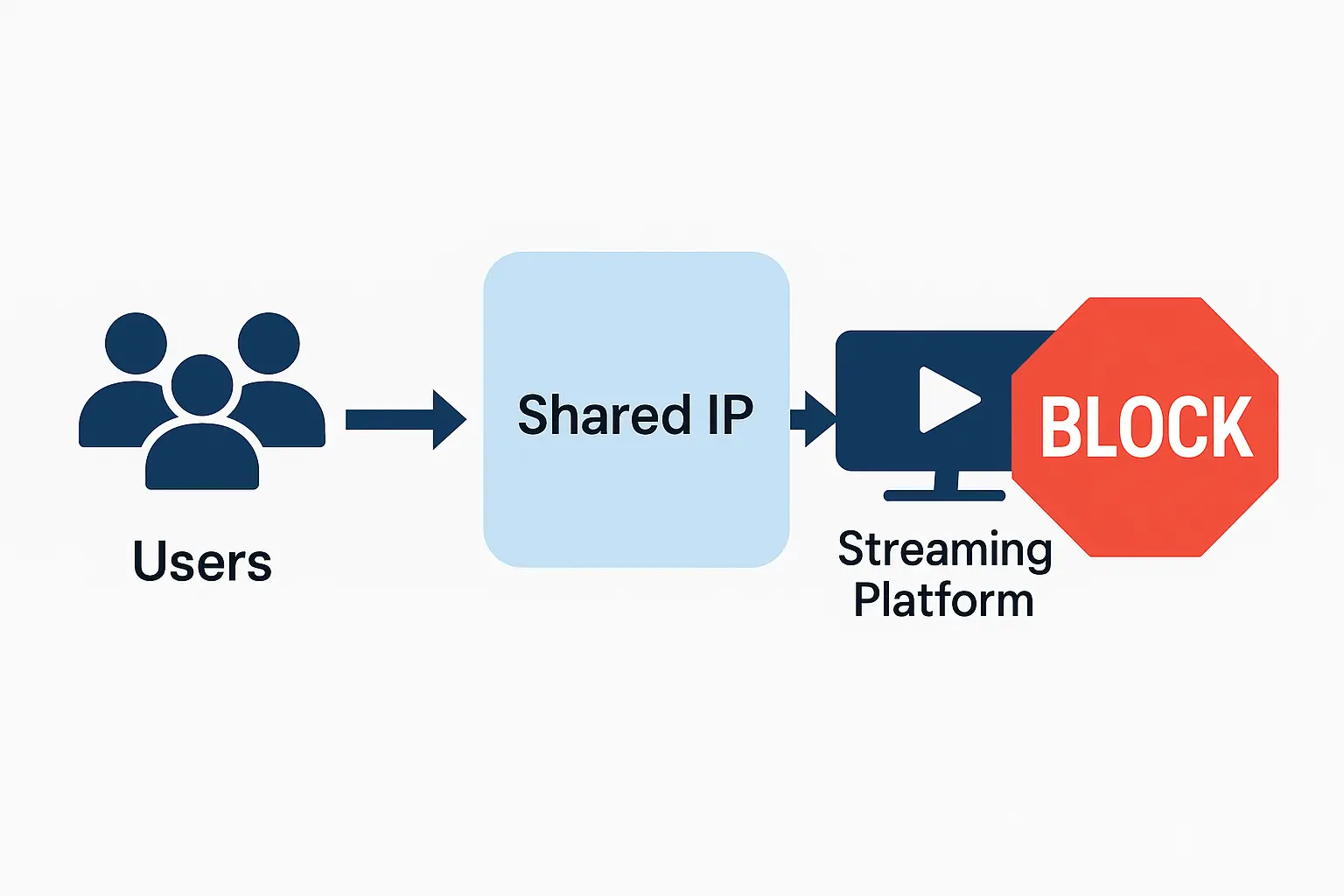
Tested while trying to unblock Vietnamese platforms from hotel WiFi in Europe and Southeast Asia.
This wasn’t just frustrating. It made me nervous. I wasn’t trying to do anything illegal — just watch a local news stream — but with constant connection drops and IP leaks, I didn’t know if my real location was exposed.
Paid VPNs: Are They Worth It?
After my string of free VPN failures, I decided to bite the bullet and try a few paid services. I started with NordVPN (mostly because it had a 30-day refund policy), then tested Surfshark and ProtonVPN.
Here’s what I found:
- NordVPN was the most consistent for Vietnamese content. VieON worked instantly. Speeds were solid, even on hotel WiFi. You can check my full NordVPN Vietnam test here if you’re curious.
- Surfshark was great for switching between countries (like Singapore → Vietnam → US) and worked well for streaming and Netflix too.
- ProtonVPN felt a bit more technical but had strong privacy features.
More importantly? None of these ever leaked my IP. Not once.
And while yes, they cost a few bucks a month — they worked. No more guesswork. No more stress. Just open the app, click connect, and watch.
“But I’m Just Watching TV – Why Should I Care?”
That’s what I used to think too. But here’s what I realized:
- Most Vietnamese streaming platforms don’t just block you for fun. They use smart technology to filter out traffic from suspicious VPNs.
- Free VPNs are almost always flagged first.
- If you’re on hotel WiFi, public networks, or living abroad, your data deserves better protection than what a free VPN offers.
It’s not about “breaking the rules” it’s about having a secure, reliable way to access content you’re already familiar with. And ideally, not putting yourself at risk while doing it.
How to Spot a Trustworthy VPN (Quick Checklist)
If you’re thinking about upgrading, here’s what I now always look for:
- Verified no-logs policy
- Obfuscated servers (for working on hotel/public WiFi)
- Kill Switch
- Servers in Vietnam or close by (Thailand, Singapore)
- Ability to unblock VieON, VTV Go, and local apps
- Support for mobile devices and smart TVs
And ideally? A 30-day money-back guarantee so you can test everything without pressure.
Final Thoughts: Free VPNs Have a Cost — Just Not in Money
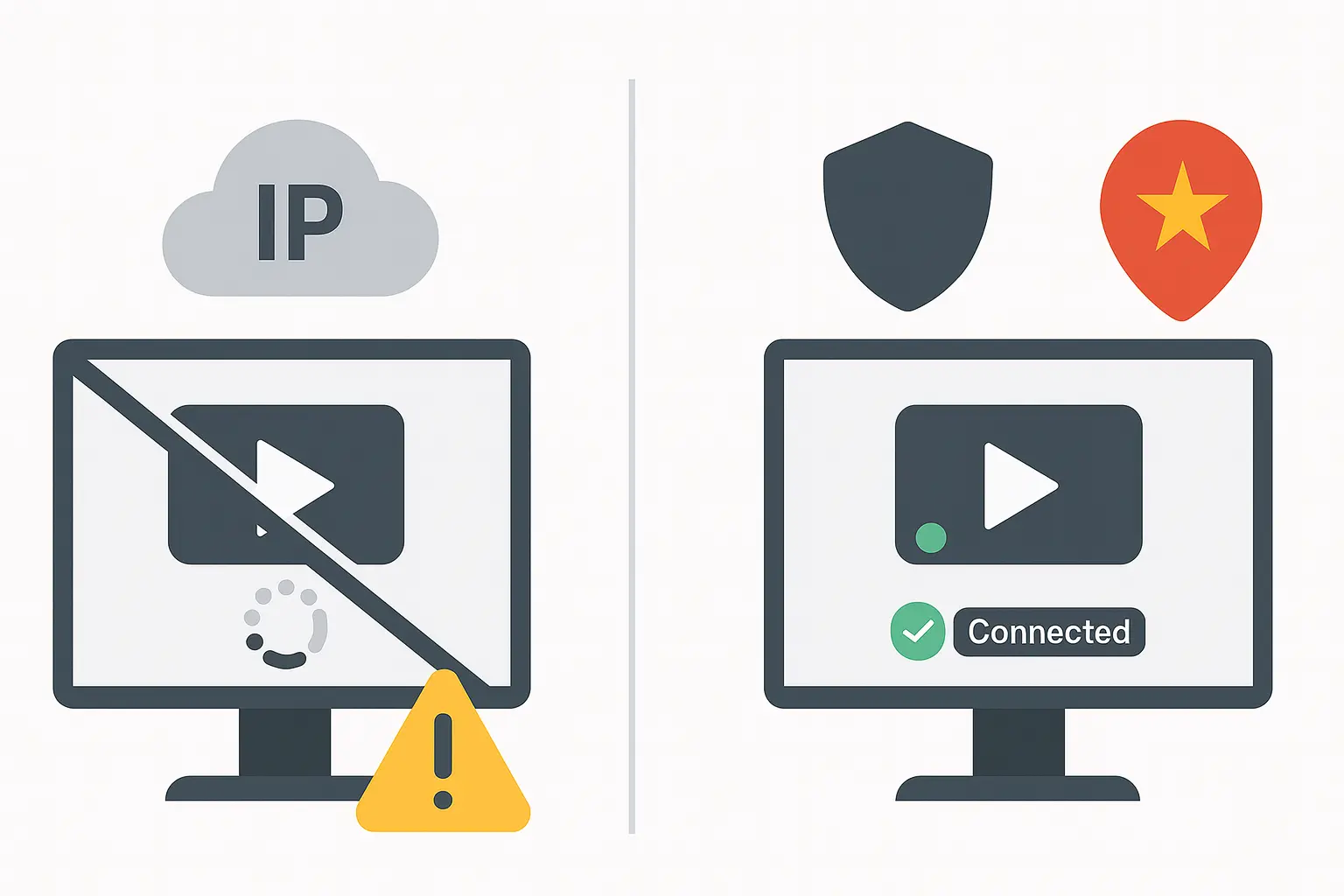
The phrase “you get what you pay for” exists for a reason. Free VPNs might not charge your credit card, but they can cost you:
- Your time (slow speeds, constant reconnects)
- Access (geo-blocks and error screens)
- Your privacy (IP leaks, data tracking)
If you’re using a VPN for anything beyond casual browsing especially for streaming from Vietnam, working remotely, or just protecting your digital footprint paid VPNs are the only way I’d recommend.
Related Articles You Might Like:
- How to Watch VieON Outside Vietnam (Even If You See That Annoying Block Screen)
- I Tested NordVPN Vietnam on Real WiFi – Here’s the Truth
- VPNs in Vietnam Are Legal… Unless You Do This One Thing
🧠 If you’ve ever wondered why free VPNs just didn’t work for you… now you know.
And if you’re curious to try what actually worked for me:
- Try NordVPN – 77% off + 3 months free
- Surfshark – 87% off + 3 months free
- Try ProtonVPN – Secure and simple, no IP leaks
FAQ: Free vs Paid VPNs for Vietnam
Can a free VPN unblock VieON or VTV Go?
Almost never. Most free VPN IPs are already flagged and blocked by Vietnamese streaming platforms.
Almost never. Most free VPN IPs are already flagged and blocked by Vietnamese streaming platforms.
Not really. Many lack a Kill Switch, so your real IP can leak the moment the connection drops.
Why do paid VPNs work better for streaming?
Why do paid VPNs work better for streaming?
Which VPN worked best for Vietnam in your tests?
NordVPN was the most stable. Surfshark was very flexible. ProtonVPN stood out for privacy.
Is a paid VPN worth it just for watching TV?
If you want it to work consistently without buffering or blocks, yes.