





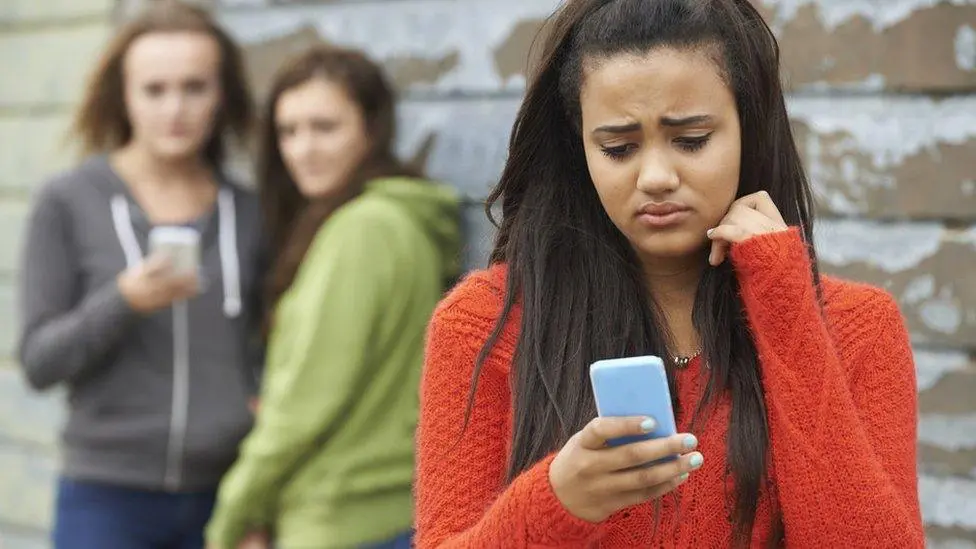
Teens spend huge parts of their lives online. Between school, friends, games, chat apps, streaming and social media, their social world is digital. But when that world turns harsh bullying, stalking, exposure it stops being optional colorful freedom and instead becomes a risk zone.
If you’re a parent, educator or just someone who cares about teen mental‑health, here’s the thing: a strong VPN isn’t just tech‑geek gear anymore. It’s part of their armour.
I. What’s at stake
1. Cyberbullying isn’t just “kids being mean”
When online harassment happens repeatedly—being shunned in a group chat, ridiculed publicly, having personal info exposed—it triggers real trauma. Victims report anxiety, depression, poor sleep, isolation and even PTSD‑style symptoms.
In a U.S. study by Pew Research Center, 46 % of teens aged 13‑17 said they had been bullied or harassed online.
In a Europe‑wide study, about one in six adolescents reported cyberbullying.
2. The modern threat landscape: doxxing, stalking, geo‑location
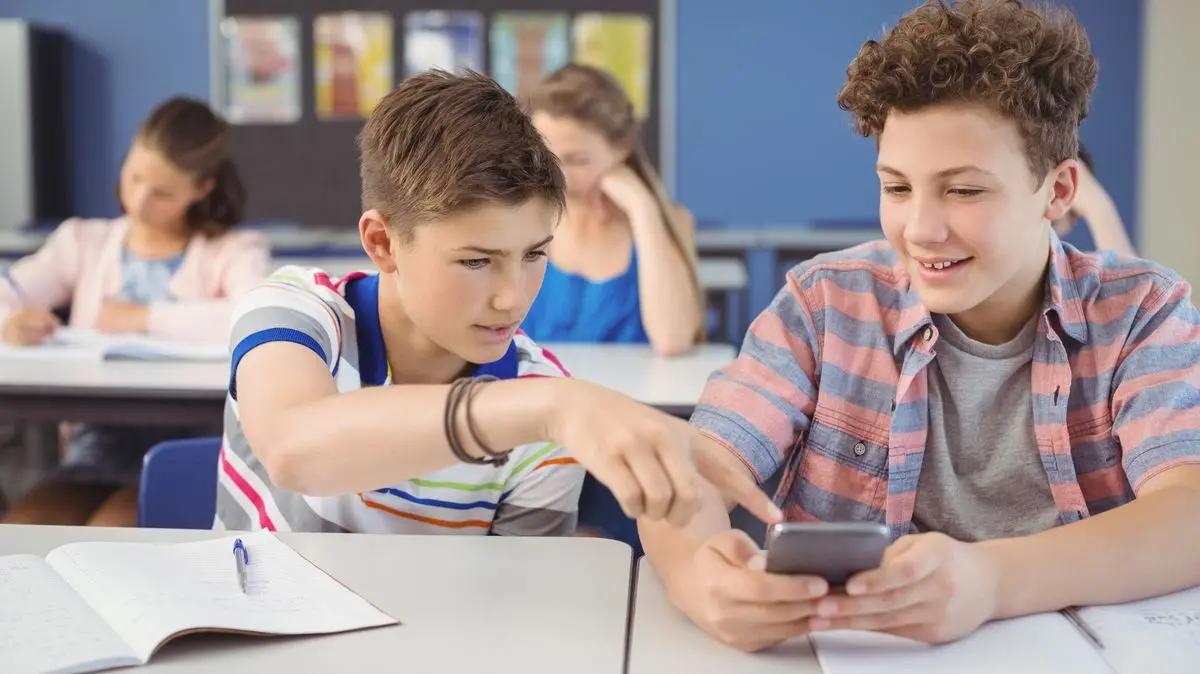
Online harassment now means more than insults. It means publishing a teen’s home address, tracking their location via IP or apps, spoofing their identity, leaking device data.
These tactics aren’t just mean they’re dangerous.
In these scenarios the teen’s digital identity becomes weaponised.
Data Snapshot: Cyberbullying by region
| Region | Key statistic | Source |
|---|---|---|
| USA | 46 % of teens 13‑17 report online harassment | Pew Research Center |
| Europe | 1 in 6 adolescents report cyber‑victimisation | EuroNews |
| Canada | (Data indicates notable rates though specific figure varies) | HBSC |
| Global | 1 in 5 parents globally report a child experienced cyber‑bullying | IPSOS.com |
These numbers show the scale. And they suggest that many teens are operating in online spaces where exposure is real and consequences matter.
II. The VPN advantage: What it does and why it matters
2.1 Masking identity & encrypting data
A VPN (Virtual Private Network) offers at least two key protections:
- It encrypts internet traffic so outsiders cannot easily intercept what the teen is doing.
- It hides the real IP address and location by routing the connection through a server elsewhere.
For a teen who needs privacy, accessing support groups, avoiding trackers or simply staying a step ahead of harassment, those two elements are huge. In public wifi hotspots, school networks, or semi‑monitored environments, these protections matter.
2.2 Beyond browsing freely: access + anonymity
VPNs aren’t just about hiding. They also let a user access resources that might be blocked or geo‑restricted. For instance: a teen seeking an LGBTQ+ support community might find their local region restricts options or filters them. A VPN enables anonymous, safe access.
In digital‑health and peer‑support contexts, that can make all the difference.
III. Real voices: What teens are actually saying online
“I always responded to this with ‘getting bullied at the park? Just stop going to the park!’ … It’s the same dumb logic because it’s you being forced out of a space everyone should have a right to be in and if you’re being forced out of it then that isn’t okay.” Reddit
“I’ve heard far more brutal stories of physical and verbal bullying of the past. The only difference is that now cyberbullying is now a thing, and anything on the internet is a permanent record.” — user _Mysterious_Produce96 Reddit
These voices show the lived reality behind statistics—the frustration, the isolation, the permanence of online harm.
IV. VPN vs Parental Control Apps: Which tool is the answer?
Here’s how to compare two approaches for protecting a teen online:
| Feature | VPN (like NordVPN / Surfshark) | Parental Control Apps |
|---|---|---|
| Protects encryption & identity | ✔ Yes – hides IP, encrypts data | ✘ Generally no encryption; tracks usage |
| Access to blocked resources/safe spaces | ✔ Yes – bypasses geo‑blocks & filters | ✘ Often enforces rigid filters |
| Works across devices | ✔ Yes – many devices supported | ✔ Yes – device‑specific monitoring |
| Enables autonomy + privacy | ✔ Yes – empowers teen, builds trust | ✘ Often feels surveillance‑heavy |
| Risk of misuse | Medium – teen could access anything | Medium to high – may encourage covert use |
Bottom line: A VPN gives privacy and access. Parental‑control apps give monitoring and restriction. The ideal isn’t one or the other—it’s both, layered intelligently with conversation and trust.
V. Choosing the right VPN: Our picks for teens & families
Not all VPNs perform equally. For teen protection, look for: no‑logs policy, independent audit, large server network, threat blocking, multi‑device support. Two that consistently stand out:
- NordVPN – Top tier encryption, audited no‑logs, fast network, solid family UI.
👉 Try NordVPN – 77% off + 3 months free - Surfshark – Unlimited device support, good threat‑blocking features, budget‑friendly.
👉 Try Surfshark – 87% off + 3 months free
Either one is a strong choice. Use them with clear discussion, not just installs.
| Feature | NordVPN | Surfshark |
|---|---|---|
| No-Logs Policy | Yes, audited | Yes, audited |
| Devices | 10 per account | Unlimited |
| Threat Blocking | Yes (Threat Protection) | Yes (CleanWeb) |
| Kill Switch | Yes | Yes |
| Geo-Unblocking | Excellent | Excellent |
| Speed | Super fast | Very fast |
| Best For | Power users, streaming, top security | Families, all devices, budget-friendly |
VI. FAQ for Parents
If I give my teen a VPN, won’t they just bypass all rules and watch whatever they want?
Possibly, but that’s already the case in many households. The better strategy: combine a trusted VPN and device‑level management (time limits, app permissions) and talk openly about expectations.
Does a VPN stop all cyberbullying?
No. It doesn’t stop mean messages or hostile posts. But it reduces the exposure, the visibility, the location trails, and gives the teen more control. It’s one defence among many.
What if my teen still uses social media unsafely—does the VPN help with that?
Yes – it protects the network layer (location, identity, encryption) but it does not replace social‑skills, safe behaviour or digital literacy. So you still need open dialogue, teaching about trusted contacts, how to report harassment, how to block and when to seek help.
Should I avoid parental‑control apps if I provide a VPN?
Not at all. Use both. The goal isn’t full monitoring, it’s balanced protection + trust. Use filters for risky content, time limits for screen time, and the VPN for privacy and access.
VII. Final Word
Teens today walk a fine line: connected and exposed, creative and vulnerable, free and at risk. Cyberbullying, stalking, data‑harvesting—they are real threats. A strong VPN is not a sci‑fi luxury it’s a practical, necessary tool in the armoury.
Give your teen more than rules. Give them tools for autonomy, privacy and access. Let them know they do not have to go it alone. Let them know you trust them—but also have their back.
Because when the internet gets messy—and it will—the best defence is one they understand, one they trust—and one they can use.